
Coffin, Urn & Packaging Standards for International Repatriation
At Beleiv Repatriation, we ensure that all coffin, urn, and packaging standards are followed with precision. So families can focus on what truly matters while we handle the complexities of compliance, logistics, and dignified care.
Coffin, Urn & Packaging Standards for International Repatriation
Transporting mortal remains or cremated ashes across borders is a highly sensitive process that requires strict adherence to international standards. From coffin construction to urn sealing and protective packaging, every step must meet airline regulations, embassy requirements, and health safety norms.
At Beleiv Repatriation, we ensure that all coffin, urn, and packaging standards are followed with precision. So families can focus on what truly matters while we handle the complexities of compliance, logistics, and dignified care.
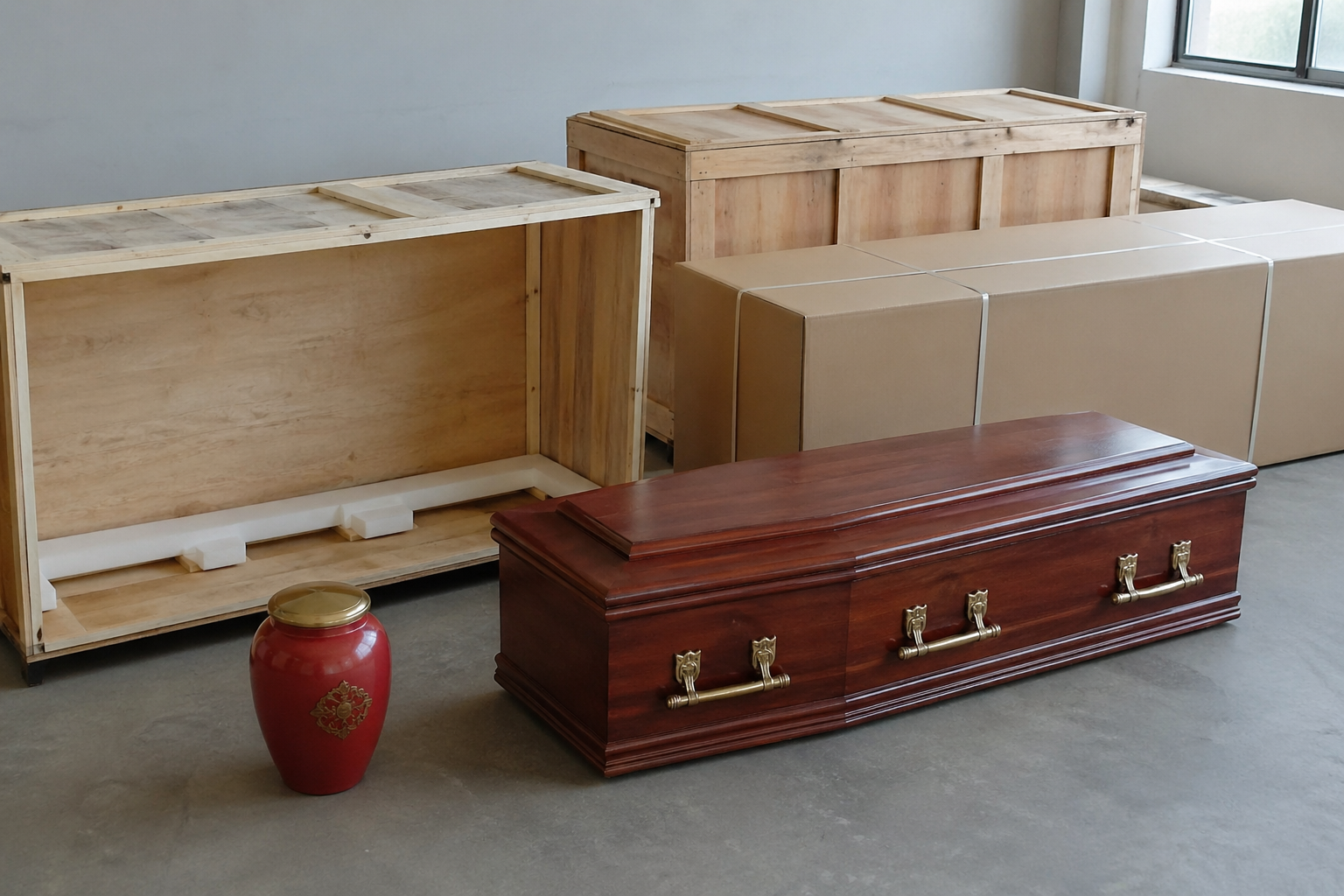
Why Coffin, Urn & Packaging Standards Matter in Repatriation
Proper standards ensure:
- Legal compliance with international and local authorities
- Safe and hygienic transport of mortal remains
- Prevention of leakage or contamination
- Protection against damage during long-distance transit
- Respect and dignity for the deceased
Following these standards is not optional. It is mandatory for smooth, hassle-free transportation across borders.
Coffin Standards for International Transportation
Outer Protective Coffin (Wooden Case)
- High-strength wood construction
- Resistance to impact and external pressure
- Compatibility with airline cargo handling systems
- Secure fastening and reinforced joints
Hermetically Sealed Coffins (Air Transport Requirement)
- A zinc-lined inner coffin
- Airtight sealing to prevent odor or leakage
- Certification confirming proper sealing
Embalming & Body Preparation Requirements
Embalming is a critical step in most international repatriation cases. It involves treating the body to delay decomposition and maintain hygiene during transit.
Key aspects:
- Performed by certified professionals
- Mandatory for most international transfers
- Accompanied by an embalming certificate
- Ensures the body remains preserved during travel
Identification & Sealing Protocols
- Nameplate with full identification details
- Coffin sealing certificate issued by authorities
- Tamper-proof locking systems
- Documentation attached to the coffin
Urn Standards for Ashes Repatriation
Sift-Proof & Leak-Proof Requirements
- Completely sealed and leak-proof
- Designed to prevent even fine ash particles from escaping
- Secured with screw-top lids, adhesives, or locking mechanism
Material Considerations for Air Travel
- Non-metal urns are often preferred
- Materials like wood, ceramic, or biodegradable composites are commonly used
- Heavy metal urns may require additional handling or documentation
Airline Compliance for Carry-On & Cargo
- Ashes may be transported as carry-on baggage
- In some cases, they must be shipped as cargo
- Proper documentation must accompany the urn at all times
Packaging Standards for Human Remains Transport
Packaging plays a critical role in protecting both coffins and urns during transit. International standards require a multi-layered approach.
Multi-Layer Protection System
For mortal remains:
- Embalmed body
- Hermetically sealed inner coffin
- Outer wooden coffin
For ashes:
- Sealed urn
- Secondary protective container
- Outer shipping box
Shockproof & Damage-Resistant Packaging
- Foam padding is used inside containers
- Bubble wrap provides cushioning
- Movement inside the packaging is minimized
Double Container System for Ashes
- Inner urn (sealed and secure)
- Secondary container (for added protection)
- Rigid outer box (for transport)
Moisture & Climate Protection
- Waterproof sealing materials are used
- Plastic wrapping prevents moisture ingress
- Protective coatings safeguard delicate surfaces
Airline & International Regulations
Airline Cargo Requirements
- Properly sealed coffins or urns
- Verified documentation
- Compliance with cargo handling protocols
- Advance booking and approval
Country-Specific Regulations
- Mandatory embalming
- Specific coffin types (e.g., zinc-lined)
- Health department approvals
- Consular clearance
Airline Cargo Requirements
- Properly sealed coffins or urns
- Verified documentation
- Compliance with cargo handling protocols
- Advance booking and approval
Documentation Linked to Packaging
- Death certificate
- Embalming certificate
- Coffin sealing certificate
- Cremation certificate (for ashes)
- Transit permits
- Airway bill
Process for Coffin & Packaging Compliance

Step 1: Body Preparation
Professional embalming, Hygiene and preservation procedures

Step 2: Coffin Placement
Placement in certified coffin, Proper lining and positioning

Step 3: Hermetic Sealing
Zinc lining and airtight sealing, Certification by authorities

Step 4: Protective Packaging
Outer wooden coffin, Shockproof and moisture-resistant packaging

Step 5: Airline Coordination
Documentation verification, cargo booking and clearance

Step 6: Final Delivery
Safe arrival and handover to family
Safety, Hygiene & Handling Protocols
Handling human remains requires strict adherence to safety and hygiene standards:
- Use of personal protective equipment (PPE)
- Infection control measures
- Proper lifting and handling techniques
- Sanitization of equipment and vehicles
These protocols protect both personnel and the integrity of the remains.
Cultural & Religious Considerations
- Coffin type and materials
- Embalming permissions
- Handling procedures
- Final rites and rituals
- Some religions prefer minimal intervention
- Others require specific materials or rituals
Eco-Friendly Coffin & Urn Options

Biodegradable coffins (bamboo, wicker, cardboard)

Natural fiber urns
Common Mistakes to Avoid
- Using non-compliant coffins
- Improper sealing of urns
- Inadequate packaging
- Missing or incorrect documentation
- Ignoring airline or country-specific rules.
Frequently Asked Questions
A hermetically sealed, zinc-lined coffin with an outer wooden case is typically required.
Yes, in most international repatriation cases, embalming is required for hygiene and preservation.
Yes, depending on airline policies, ashes can be carried as hand luggage or transported as cargo.
It means the urn is completely sealed and prevents any ash particles from leaking.
No, each country has its own regulations, which must be carefully followed.
Documents include death certificate, embalming certificate, cremation certificate, and transit permits.
Yes, but it must meet international transport standards.
They are sealed, certified, and placed in protective outer packaging before cargo handling.