
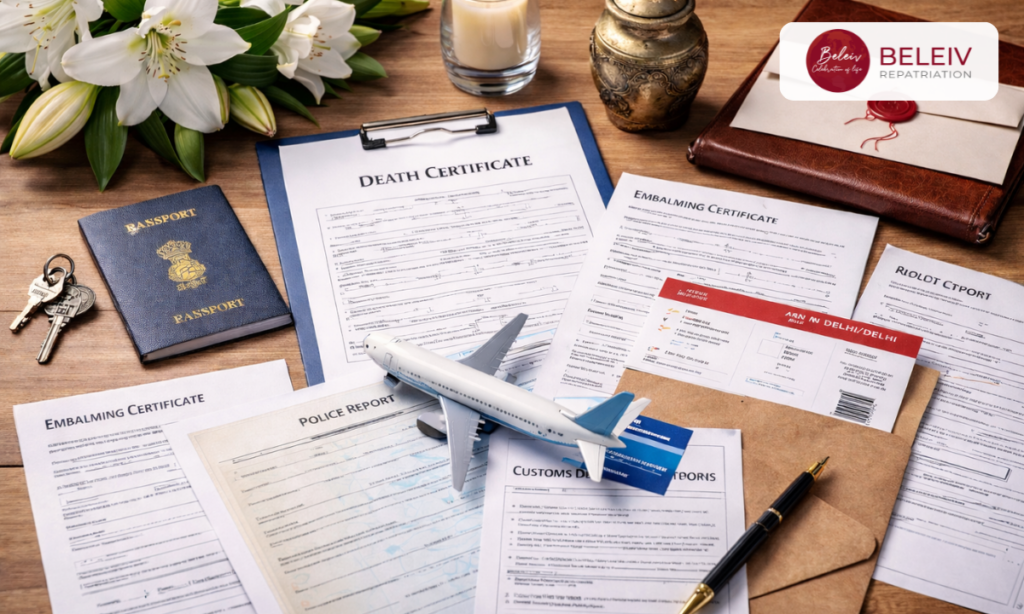
When a loved one passes away abroad, the process of repatriation to India can feel overwhelming during an already difficult time. We understand that navigating international regulations, documentation, and logistics requires clarity and support when emotions are running high.
Choosing reliable repatriation services in India ensures that every legal requirement is met with dignity and care. But what exactly do you need to bring your loved one home, and how can you ensure nothing is missed in this critical process?
Documentation Process
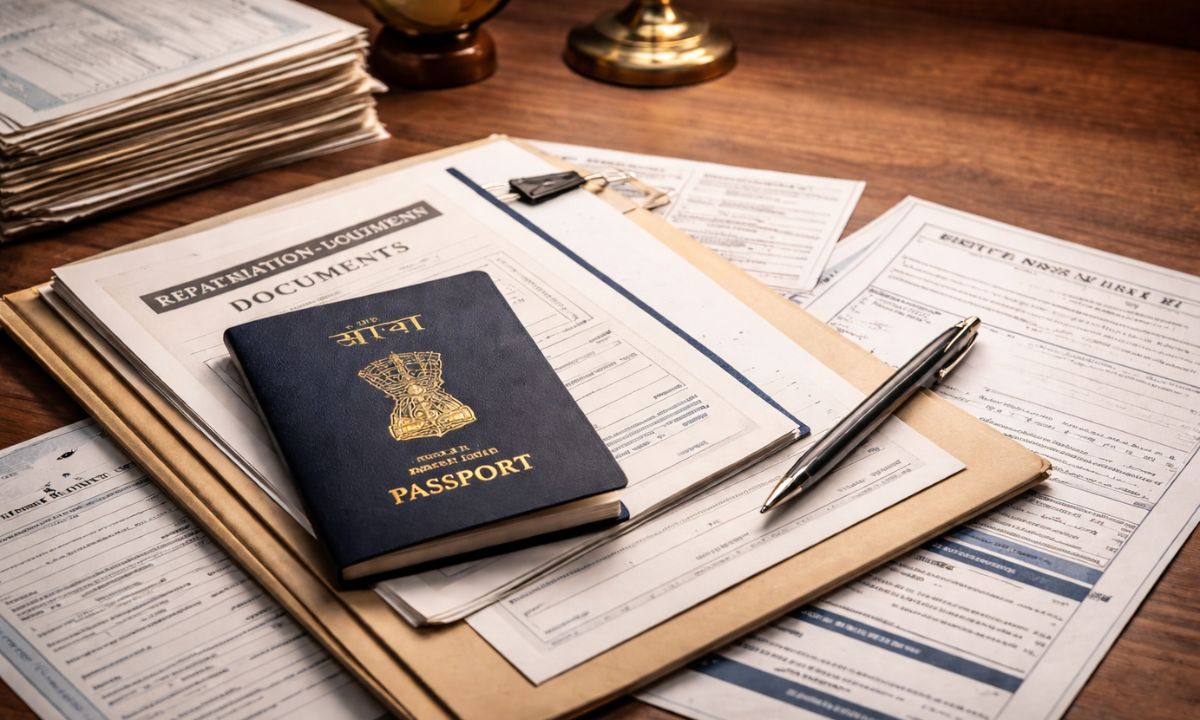
Repatriating a deceased person to India involves multiple layers of documentation that must satisfy both the country where death occurred and Indian authorities. We know this sounds complex, but having a clear checklist makes the process manageable.
Each document serves a specific legal purpose and must be obtained in the correct sequence. Missing even one certificate can cause significant delays at customs or airports.
Essential Documents You Must Have
Death Certificate
The death certificate is the foundation of all repatriation paperwork and must be issued by local authorities and the consulate general in the country where the death occurred. This document needs to be translated into English if issued in another language.
We recommend obtaining at least three certified copies of the death certificate, as different agencies may require original documents. Keep digital copies as backup for your records.
Embalming Certificate
The embalming certificate confirms that the body has been properly prepared for international transport according to health and safety standards. This certificate must be issued by a licensed embalmer or funeral director.
Most airlines and countries require embalming for international transportation to prevent health hazards. The certificate should clearly state the date, method, and chemicals used in the embalming process.
No Objection Certificate (NOC)
A no-objection certificate from the local police or investigating authorities confirms there are no legal impediments to moving the deceased. This document verifies that no criminal investigation is pending.
The NOC is particularly crucial if the death was sudden, accidental, or under unusual circumstances. Obtaining this certificate can take several days, so we advise starting this process immediately.
Cancelled Passport
The deceased’s cancelled passport must accompany the body during repatriation. Immigration authorities in the country of death will officially cancel the passport.
This cancelled passport serves as identification and proves the deceased’s nationality. Without it, customs clearance in India becomes extremely difficult.
Certificate of Packaging
The certificate of packaging verifies that the coffin meets international air transport standards, including being hermetically sealed and leak-proof. This certificate is issued by the funeral home handling the packaging.
We emphasize that proper packaging is not just a formality but a requirement under International Air Transport Association (IATA) regulations. The coffin must be placed in a zinc-lined casket before being enclosed in a wooden outer case.
Aviation and Transportation Requirements
Airline Clearance
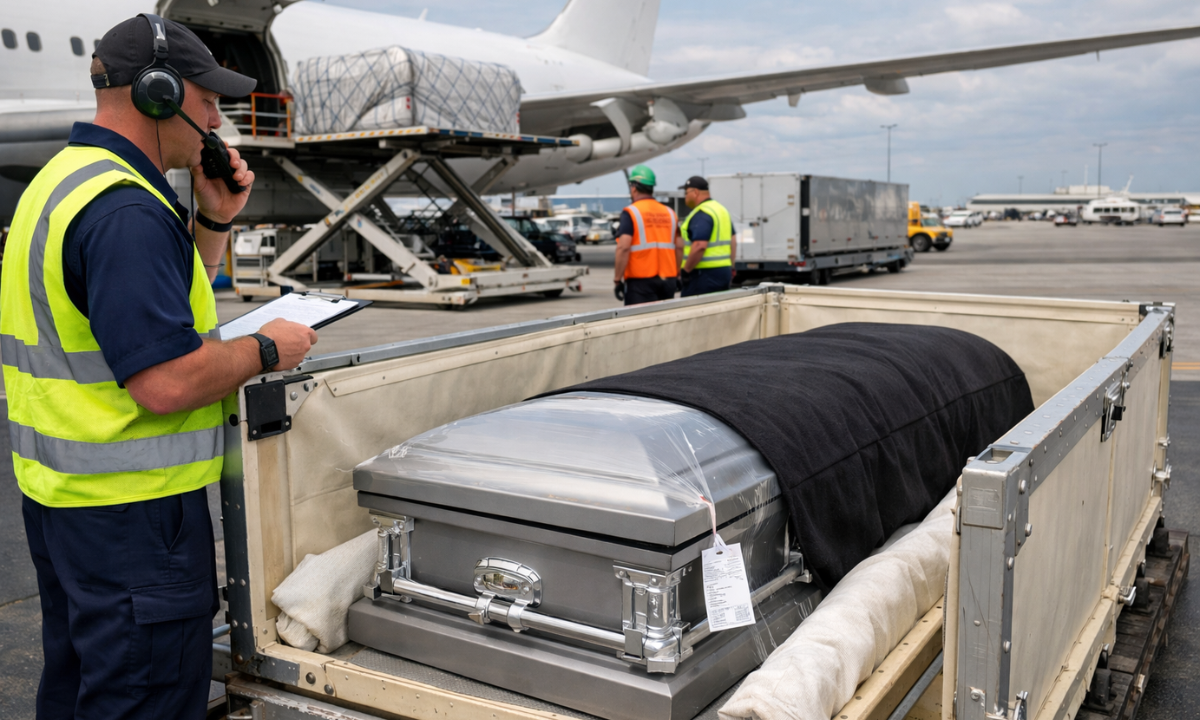
Airline clearance must be obtained before the body can be loaded onto any international flight. Each airline has specific requirements for transporting human remains.
Contact the airline at least 48 hours before the intended flight to understand their documentation needs and cargo handling procedures. Some airlines require booking and charge specific fees for dead body transportation in international repatriation.
Working with Professional Services
Navigating these requirements alone can be exhausting, which is why many families turn to professional repatriation services in India for comprehensive support. Experienced providers handle documentation, coordinate with embassies, and ensure compliance with all regulations.
A reliable funeral service provider in India can also assist with receiving the deceased at the airport and arranging the final rites. They understand local customs procedures and can expedite the clearance process.
Quick Reference Checklist
| Document | Issuing Authority | Purpose |
|---|---|---|
| Death Certificate | Local authorities and the general consulate abroad | Legal proof of death |
| Embalming Certificate | Licensed embalmer | Health compliance |
| No Objection Certificate | Police/Embassy | Legal clearance |
| Cancelled Passport | Immigration office | Identification |
| Certificate of Packaging | Funeral home | Transport compliance |
| Airline Clearance | Airline cargo department | Flight authorization |
Important Tips to Remember
- Start the documentation process immediately, as some certificates can take days to obtain.
- Keep multiple certified copies of all documents and maintain digital backups on your phone or email.
- Work closely with the Indian embassy or consulate, as they can guide you through country-specific requirements.
- Confirm all airline requirements at least 72 hours before the scheduled departure to avoid last-minute complications.
Final Thoughts
Bringing a loved one home through repatriation services in India requires meticulous attention to documentation and legal procedures. We hope this comprehensive checklist provides clarity during your difficult journey.
Every document plays a vital role in ensuring smooth transit and customs clearance. By understanding what’s required and working with experienced providers like Beleiv Repatriation, you can focus on what truly matters: honoring your loved one’s memory and finding closure.
Remember, you don’t have to navigate this process alone, and seeking professional guidance can make all the difference in ensuring dignity and respect throughout the repatriation journey.
Frequently Asked Questions
Q1: How Long Does The Repatriation Process Typically Take?
The complete repatriation process usually takes 5 to 10 days, depending on the country and how quickly documentation can be obtained. We recommend working with professional services to expedite the timeline and avoid unnecessary delays.
Q2: Can I Transport The Deceased Without Embalming?
Most countries and airlines require embalming for international dead body transportation, especially for flights longer than a few hours. However, some religions prohibit embalming, in which case refrigeration and special packaging may be permitted with additional documentation.
Q3: Who Should I Contact First When Death Occurs Abroad?
Your first contact should be the nearest Indian embassy or consulate in that country. They will guide you through the local legal requirements and help coordinate with authorities for necessary certifications and clearances.
Q4: What Are The Costs Involved In Repatriation To India?
Repatriation costs vary widely based on the country, distance, and services required, typically ranging from ₹2 lakhs to ₹6 lakhs. This includes embalming, documentation, a coffin, airline charges, and professional service fees.
Q5: Can Family Members Travel On The Same Flight As The Deceased?
Yes, family members can travel on the same flight. We recommend informing the airline in advance and coordinating your travel plans with the cargo booking to ensure everything arrives together for a smoother process at the destination.