International Death Certificate Attestation
At Beleiv Repatriation, this process is a part of the custom clearance process by the embassy, also included with the airline requirements and repatriation logistics ensuring the documentation is proper avoiding delays in the process.
International Death Certificate Attestation
When death occurs abroad, documentation becomes a critical part in the further processes. Death certificate is the most important document in availing funeral services. Before submitting the certificate it needs a validation process known as International Death Certificate Attestation.
At Beleiv Repatriation, this process is a part of the custom clearance process by the embassy, also included with the airline requirements and repatriation logistics ensuring the documentation is proper avoiding delays in the process.
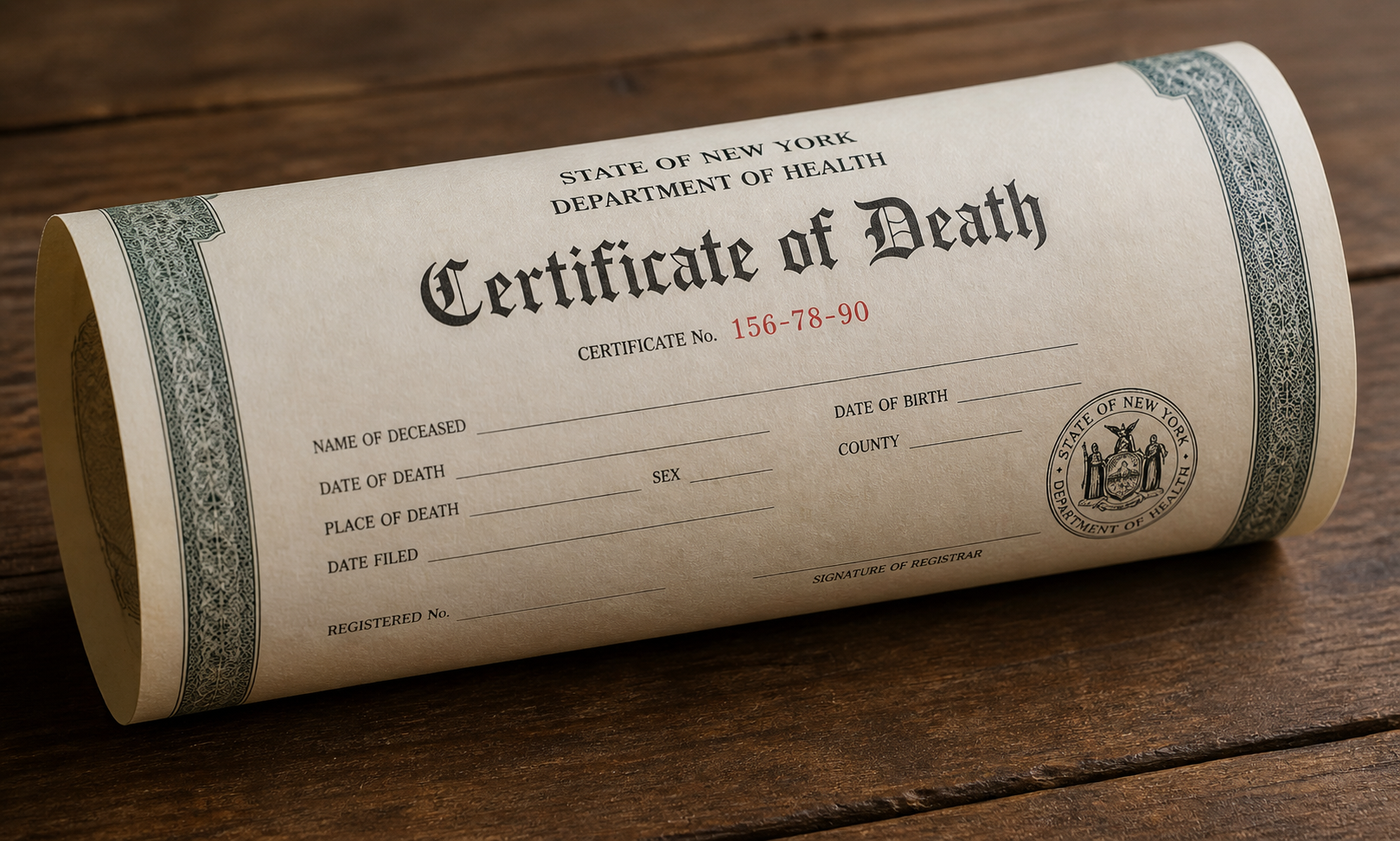
Understanding International Death Certificate Attestation
A death certificate issued by a hospital or municipal authority is legally valid within its country of origin. When the document needs to be submitted internationally for any purpose it needs to be authorised.
International attestation confirms three critical elements:
- The issuing authority is legitimate
- The document has not been altered or forged
- The signatures and seals are officially verified
This validation transforms the certificate into a document that can be accepted by:
- Foreign embassies and consulates
- International airlines handling human remains
- Legal institutions managing inheritance or property
- Insurance companies and financial bodies
Why Attestation Is Not Just a Formality
In many cases, families assume that obtaining a death certificate is the final step in documentation. In international scenarios, this assumption often leads to unexpected complications. Attestation is a multi-level verification system that ensures compliance with international law and country-specific regulations.
Cases Where Attestation Becomes Critical
Repatriation of Mortal Remains
Airlines, embassies, and customs authorities require authenticated documentation before approving transport. Any mismatch or missing attestation can halt the process.
Cross-Border Legal Matters
When legal proceedings span multiple countries, courts and authorities require attested documents to establish authenticity.
Insurance and Financial Settlements
Global insurance providers and banks will not process claims without verified documentation.
Closure of Overseas Obligations
From rental agreements to employment records, attested documents are often needed to formally close accounts abroad.
What makes this complex is that each country has its own documentation expectations, and attestation must align with those specific requirements.
Beleiv Repatriation’s Approach to Attestation
We integrate attestation into a larger operational framework that includes:
- Hospital coordination
- Local authority documentation
- Embassy communication
- Airline cargo compliance
- Customs clearance
This integration ensures that:
- Documents are prepared in the correct format from the start
- There is no duplication of effort
- Every stage flows seamlessly into the next
Process of International Death Certificate Attestation
1. Initial Document Audit
Before any submission, we conduct a thorough review of the death certificate.
We check for:
- Accuracy of personal details
- Consistency with passport records
- Proper mention of cause of death
- Issuing authority credentials
Even minor inconsistencies at this stage can lead to rejection later. Our audit ensures that the document is ready for international validation.
2. Supporting Document Alignment
- Passport copies
- Medical certificates
- Embalming certificates
- Police clearance (if applicable)
3. Local and Regional Authentication
4. Embassy Legalization
For countries that require embassy attestation, the document undergoes an additional layer of verification.
The embassy:
- Reviews the document against its country’s regulations
- Confirms compliance with legal requirements
- Applies its official seal for acceptance
5. Final Integration with Repatriation or Legal Process
- Submission to airlines for cargo booking
- Presentation to embassies for clearance
- Use in legal or financial proceedings
The Variations We Handle
Apostille-Based Countries
Embassy-Dependent Countries
Language and Translation Requirements
Case-Specific Requirements
Documents Required
- Original death certificate
- Passport of the deceased
- Identification of next of kin
- Authorization letter
Additional documents may include:
- Hospital-issued medical certificate
- Post-mortem report (if applicable)
- Police clearance certificate
- Embalming certificate
Common Risks Without Proper Attestation Support
Document Rejection
Incorrect formats or missing details can result in rejection at embassy or airline level.
Delays in Repatriation
Even a single missing verification can delay transportation timelines.
Mismatch Across Documents
Inconsistencies between documents can trigger additional scrutiny.
Unclear Procedures
Different authorities may provide conflicting information, leading to confusion.
How Beleiv Repatriation Reduces Complexity
Centralized Coordination
Families do not need to contact multiple authorities. The procedures are coordinated by our team.
Proactive Verification
We identify and resolve issues before submission.
Real-Time Updates
You are informed at every stage of the process.
End-to-End Responsibility
From document collection to final usage, we manage the entire lifecycle.
Frequently Asked Questions
In most cross-border situations, attestation is required to ensure the death certificate is legally accepted by foreign authorities. Embassies, airlines, and legal institutions rely on authenticated documents to proceed with approvals. Without attestation, even valid certificates may be rejected, leading to delays in repatriation, legal claims, or financial processes.
Yes, the attestation process can begin as soon as the official death certificate is issued by the competent authority. Starting early helps avoid delays in subsequent procedures such as embassy clearances or transportation arrangements. Early initiation also allows time to correct any discrepancies that may arise during verification.
If there are errors in the death certificate, they must be corrected before proceeding with attestation. Even minor discrepancies in names, dates, or locations can lead to rejection by authorities. Our team reviews the document carefully and guides families through the correction process to ensure compliance with international requirements.
Yes, we provide certified translation support when required by the destination country or embassy. Many international authorities require documents to be submitted in their official language. We ensure translations are accurate, compliant, and accepted by relevant authorities, reducing the risk of delays or rejection during the attestation process.
Yes, Beleiv manages death certificate attestation as part of a fully integrated repatriation service. Documentation and logistics are handled together to ensure consistency and timely execution. This coordinated approach minimizes delays, avoids duplication of effort, and ensures that all approvals align with transportation and embassy requirements.