
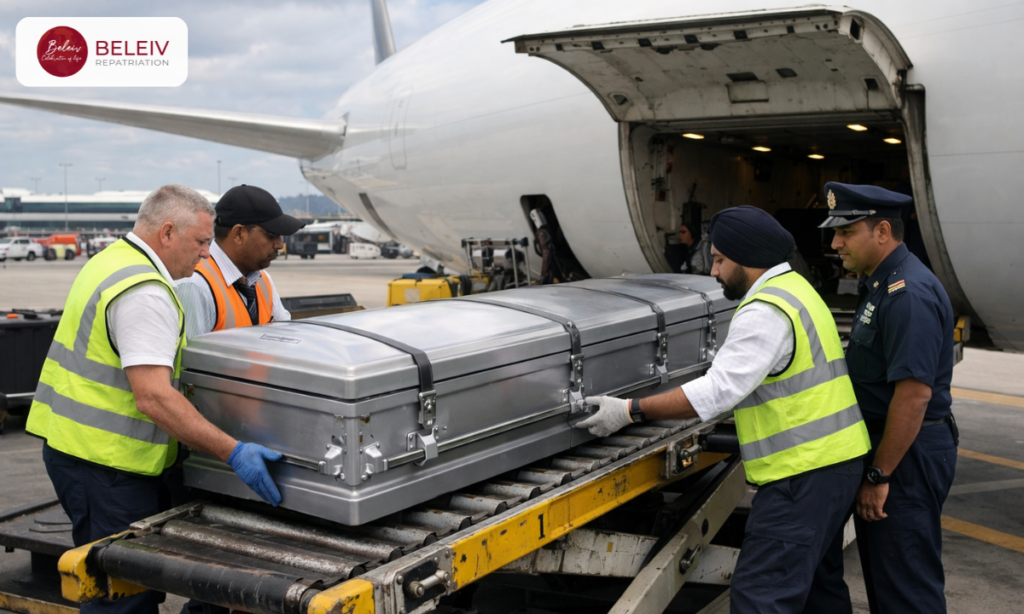
Losing a loved one in a foreign country is heartbreaking, and body repatriation becomes an urgent responsibility for the family. When we talk about the repatriation of the deceased to India, the process involves legal formalities, embassy coordination, embalming, and dead body transportation by air.
Without clear guidance from professional repatriation services in India, families may feel overwhelmed by the number of procedures involved.
In this blog, we will walk you through every step in simple language so you understand exactly how the process works from start to finish.
Key Points at a Glance
- Register the death with the local foreign authorities
- Inform and coordinate with the Indian Embassy
- Obtain a No Objection Certificate (NOC)
- Complete embalming and sealing procedures
- Arrange air cargo for transporting dead bodies
- Clear customs and health checks upon arrival in India
- Keep all required documents ready in advance
- Professional dead body repatriation services simplify the process
Step-by-Step Process of Dead Body Repatriation in India
We will now explain the complete steps in the repatriation process so you can understand how everything moves forward.
Body repatriation may seem complicated at first, but when we break it down step by step, it becomes easier to understand. Each stage must be completed in a proper sequence, as one approval often depends on the previous document.
From registering the death abroad to clearing the body at the airport in India, every action requires coordination with authorities and careful paperwork handling. When we follow the right structure, the entire process becomes smoother and less stressful for the family.
1. Registration of Death in a Foreign Country
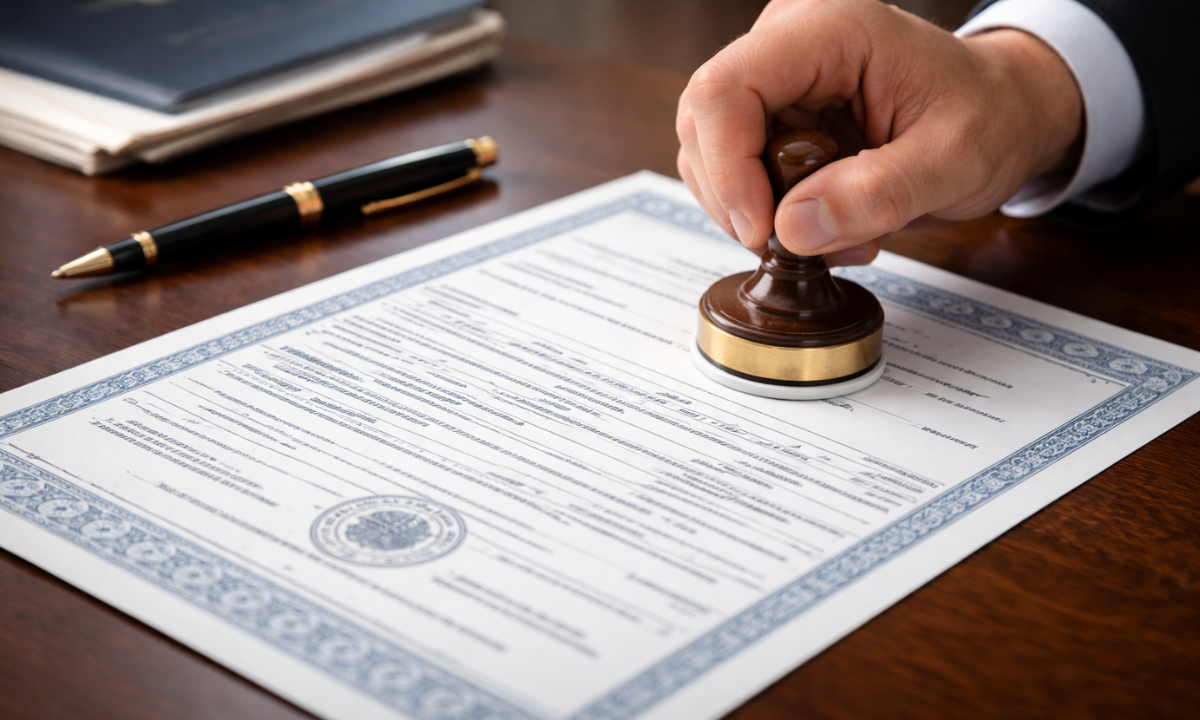
The first step is registering the death with the local authorities in the country where the person passed away.
This stage is extremely important because all further documentation depends on the official death record issued by the foreign government. Without proper registration, the Indian Embassy and airline authorities will not initiate body repatriation procedures.
In some countries, hospitals directly coordinate with civil authorities, while in others, families or representatives must apply separately for the certificate. Timely registration helps avoid unnecessary delays in the later stages of the process.
This usually involves:
- Hospital issuing a medical cause of death
- Local government registrar or health department issuing the official death certificate
- Police clearance if required
Without a legally issued death certificate, the repatriation process cannot begin.
2. Informing the Indian Embassy or Consulate
Once the death is registered, the next step is informing the nearest Indian Embassy or Consulate.
The Embassy acts as the official bridge between the foreign authorities and the Government of India. They ensure that all documents are genuine, properly verified, and legally acceptable for the repatriation of body to India.
Early communication with the Embassy helps prevent confusion and speeds up approvals. In many cases, the Embassy also guide the families on the correct sequence of documentation and next steps.
The Embassy plays a crucial role in:
- Verifying the death details
- Registering the deceased Indian national
- Issuing the No Objection Certificate (NOC)
The NOC is mandatory for transporting dead bodies from abroad to India.
3. Obtaining Essential Documents
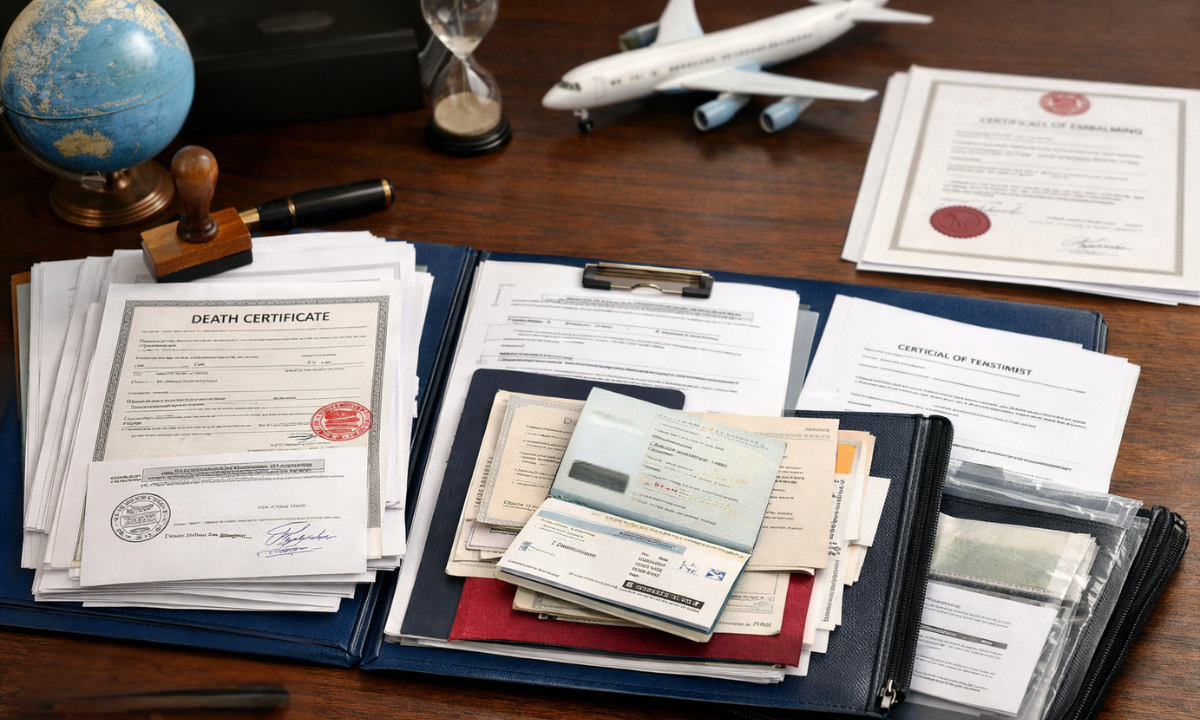
Documentation is one of the most important parts of body repatriation. Missing even a single paper can delay the process.
Every authority involved, from the Embassy to the airline and airport health department, will verify documents carefully before approving. Even small spelling errors in names, passport numbers, or dates can create complications.
It is also important to ensure that documents are properly notarized and, if required, translated into English or another accepted language. Keeping all originals and certified copies organized in one file makes the process much smoother.
Here is a table of key documents required:
| Document | Issued By | Purpose |
|---|---|---|
| Death Certificate | Local Government registrar and registered by the Indian Embassy/consulate | Official proof of death |
| Police Report (if required) | Local Police | Legal clearance |
| Embalming Certificate | Licensed Mortuary | Confirms preservation |
| Coffin Certificate | Undertaker | Confirms sealed casket |
| NOC | Local police and the Indian Embassy/Consulate | Permission to transport |
| Cancelled Passport | Family/Authorities | Identity confirmation |
| Airway Bill | Airline | Cargo tracking |
Keeping multiple certified copies is always recommended.
4. Embalming and Sealing of the Body
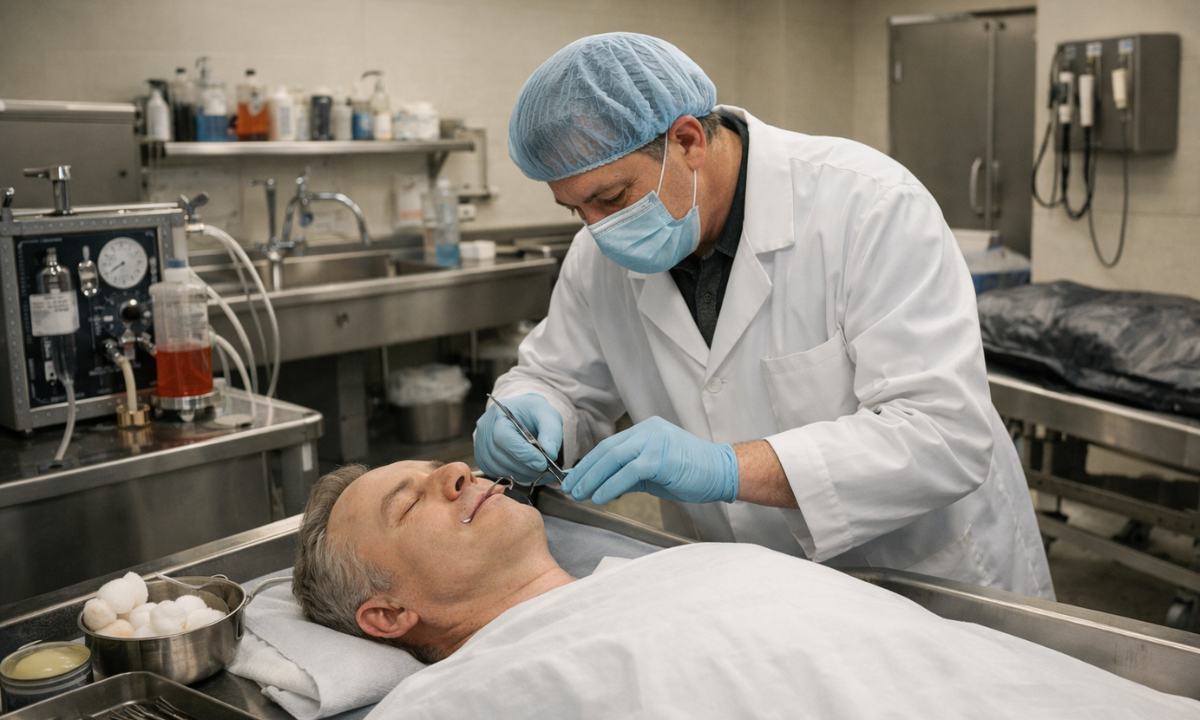
Before dead body transportation by air, embalming is mandatory in most international cases.
Embalming preserves the body and ensures that it remains hygienically safe during transit, especially when flights involve long travel hours. International aviation and health authorities have strict rules regarding the preparation of human remains.
The procedure must be carried out by a licensed mortuary professional, and official certificates must be issued after completion. Without proper sealing and documentation, airlines will immediately refuse to accept the remains for cargo transport.
The body must be:
- Properly embalmed
- Placed in a hermetically sealed (airtight and waterproof) coffin
- Certified by an authorized undertaker
Airlines will not accept the body unless these standards are met.
5. Booking Air Cargo for Transport

After documentation and embalming are completed, the next step is booking cargo transport.
Dead body transportation by air is handled as special cargo. The airline issues an airway bill that acts as the official transport document.
Important points:
- Only certain airlines handle human remains
- Cargo space must be pre-booked
- Documentation must match exactly with the passport details
Professional dead body repatriation services in India coordinate these steps smoothly.
6. Clearance Upon Arrival in India
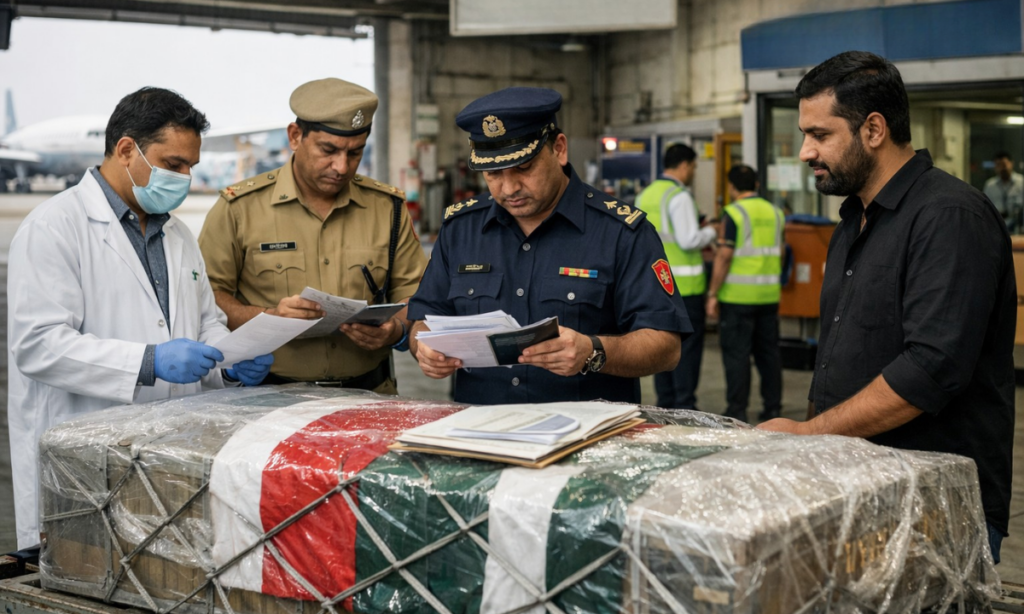
Once the body reaches India, the process does not end immediately.
After landing, the cargo is transferred to the airport’s designated handling area, where officials begin verification procedures. Authorities carefully check all documents to ensure they match the airway bill and Embassy approvals.
This stage requires patience, as clearance depends on health regulations and customs formalities. Any mismatch in paperwork can delay the release, even after the body has arrived in India.
The consignee (family member or authorized representative) must:
- Clear the body with the Airport Health Officer
- Complete customs formalities
- Submit original documents for verification
Only after clearance can the body be released to the family.
Role of Government Authorities
Body repatriation involves coordination with multiple departments.
Each authority plays a specific and important role in ensuring that the process is carried out legally, safely, and respectfully. From diplomatic approvals to health and customs verification, every stage requires official confirmation.
Understanding the responsibility of each department helps families know whom to approach at different stages of the repatriation of the body to India. When these authorities work in coordination, the process becomes smoother and more transparent.
| Authority | Role in the Process |
|---|---|
| Indian Embassy | Death certificate registration and issuing of NOC |
| Ministry of External Affairs | Supervises diplomatic coordination |
| Airport Health Officer | Health clearance |
| Customs Department | Entry clearance |
| Local Police (if required) | NOC and Legal documentation |
In some cases, the Indian Community Welfare Fund (ICWF) may assist families facing financial difficulties.
Important Notes Families Should Know
Body repatriation is not only a legal process but also a practical and financial responsibility. There are certain important considerations that families should be aware of before making decisions.
Understanding these factors in advance can reduce confusion, prevent unnecessary expenses, and help families prepare emotionally and financially. Being informed allows us to act calmly and confidently during a very sensitive time.
- If the deceased had travel insurance, the insurance company may handle repatriation.
- If repatriation is not possible, the Indian Mission may facilitate local burial or cremation.
- Timelines vary depending on documentation and public holidays.
- Planning carefully reduces delays and emotional stress.
Common Challenges in the Process
Even when families follow the procedure, challenges may arise.
Body repatriation involves coordination across different countries, legal systems, and departments, which naturally creates room for delays. Sometimes the issues are beyond the family’s control, especially when foreign authorities or airline schedules are involved.
Unexpected paperwork requirements, public holidays, or incomplete communication between departments can slow down the process. Being aware of these possible hurdles helps families stay prepared and patient during this difficult time.
Some common difficulties include:
- Delay in issuing the death certificate
- Language barriers in foreign countries
- Embassy processing time
- Cargo flight availability
This is why working with an experienced Funeral Service Provider in India makes the process easier and faster.
Tips to Make the Process Smoother
We always recommend taking these steps:
- Inform the Embassy immediately
- Collect multiple certified copies of all documents
- Double-check spelling of names and passport numbers
- Confirm airline packaging requirements
- Seek professional assistance early
Clear planning prevents last-minute confusion.
Final Thoughts
Body repatriation is a sensitive and structured legal process that requires careful coordination between foreign authorities, the Indian Embassy, airlines, and local officials in India. From documentation to dead body transportation by air, every step must follow strict guidelines.
This is why reliable repatriation services in India play such an important role. At such a difficult time, working with Beleiv Repatriation Services ensures that the entire process is handled with dignity, compliance, and compassion.
When we are grieving, we should focus on remembering our loved one, not worrying about paperwork and airport procedures. With the right guidance, even the most complex process can be managed with clarity and care.
Frequently Asked Questions
1. How long does the repatriation of the body to India take?
The repatriation of the body to India usually takes around 3 to 7 days, but the timeline can vary depending on the country of death and documentation readiness.
Embassy approvals, police clearances, embalming procedures, and airline cargo availability all affect the schedule. Public holidays or errors in paperwork can extend the process. Proper coordination from the beginning helps minimize unnecessary delays.
2. Is embalming mandatory for transporting dead bodies?
Yes, embalming is generally mandatory for transporting dead bodies through international air cargo. It ensures proper preservation and maintains hygiene standards during long-distance travel. Airlines and health authorities require a valid embalming certificate before approving shipment.
In rare situations involving religious considerations, special permissions may be requested, but these require additional approvals from local authorities and the Embassy.
3. Who issues the No Objection Certificate (NOC)?
The No Objection Certificate (NOC) is issued by the Indian Embassy or Consulate in the country where the death occurred. The Embassy verifies all essential documents, including the death certificate and passport details, before approving.
This certificate confirms that the Government of India has no objection to transporting the remains back to India. Without the NOC, airlines will not allow cargo movement.
4. Can families handle the repatriation process themselves?
Technically, families can manage the repatriation process themselves, but it is highly complex and emotionally demanding. The procedure involves hospitals, police departments, embassies, airlines, customs officials, and health authorities. Coordinating all these steps while grieving can be overwhelming.
Professional dead body repatriation services provide guidance, ensure compliance with regulations, and help avoid costly errors or unnecessary delays.
Reference
1. From Google
2. https://kaashimukthi.com/repatriation-of-mortal-remains-process-and-challenges/