

When a loved one passes away abroad, families immediately begin thinking about international repatriation and how long the entire process will take. Along with emotional stress, there are legal formalities, embassy procedures, and airline arrangements that must be completed carefully. This is where professional repatriation services in India provide structured guidance and reliable coordination.
In this guide, we explain every factor that affects the timeline so you know exactly what to expect and how to prepare. If you are currently navigating this situation, understanding the timeline can bring clarity and peace of mind during a very difficult time.
Key Points at a Glance
- Standard international repatriation takes 5–7 working days
- Some cases may take 2 weeks to over a month
- USA to India: 3–7 business days
- UK to India: 3–7 working days (sometimes 7–10 days)
- Australia to India: 1–4 days in rare cases, usually 7–14 days
- Gulf Countries: 2–4 weeks
- Investigations or unnatural deaths can significantly delay the process
- Proper documentation support reduces unnecessary waiting time
- Dead body transportation by air requires embalming and a sealed casket
- Working with a Funeral Service Provider in India simplifies coordination
What Is the Standard Timeframe?
The timeframe for the repatriation of the body to India usually ranges from 5 to 7 working days in straightforward cases. However, depending on the country, documentation, and legal factors, it may extend to two weeks or even longer.
This includes:
- Issuing the death certificate
- Obtaining police clearance (if required)
- Embassy approval and NOC
- Embalming and coffin sealing
- Booking air cargo
If everything is coordinated properly, delays can be avoided. However, certain situations can extend the timeline for the international repatriation of the deceased significantly.
Typical Timelines by Country
The timeframe for international repatriation largely depends on the country where the death occurred. Each nation has its own legal procedures, documentation systems, and release protocols, which directly affect how quickly the process can move forward.
In some countries, paperwork and clearances are issued quickly, while in others, administrative formalities may take longer due to local regulations. Below is a general estimate based on common international routes:
| Country/Region | Estimated Timeframe | Notes |
|---|---|---|
| USA to India | 3–7 business days | Fast documentation systems |
| UK to India | 3–7 working days (7–10 average) | Embassy coordination required |
| Australia to India | 7–14 days | Some cases cleared in 1–4 days |
| UAE / Gulf Countries | 2–4 weeks | Local procedures may take longer |
| Unnatural Death Cases | Several weeks | Police investigation required |
These timelines may vary based on local laws and documentation readiness.
Why Does International Repatriation Take Time?
Many families assume the process is quick once a flight is available. In reality, transporting dead bodies across international borders involves multiple approvals.
Each stage depends on the previous one. For example:
- The Embassy cannot issue a No Objection Certificate (NOC) without a valid death certificate.
- Airlines will not allow the transportation of a dead body by air without embalming and coffin certification.
- Indian airport authorities require complete documentation before release.
Even one missing document can cause days of delay.
Major Factors Affecting the Timeline
The timeframe for international repatriation is influenced by several legal, medical, and logistical factors. Even when families act quickly, certain approvals and formalities must follow official procedures, which cannot be rushed.
Understanding these factors helps set realistic expectations and allows better planning during an already emotional time. Below are the most important elements that directly impact how long the process may take.
1. Cause of Death
If the death is natural and medically certified, the process moves faster because the hospital can issue the required medical documents without additional legal formalities. In such cases, once the death certificate is released, embassy and airline procedures can begin immediately.
However, if the death is:
- Accidental
- Sudden and unexplained
- Under investigation
An autopsy and police clearance are mandatory. Authorities must confirm the exact cause of death before releasing the remains. These legal investigations can take several weeks, especially if forensic reports or court approvals are required before granting permission for transportation.
2. Documentation Delays
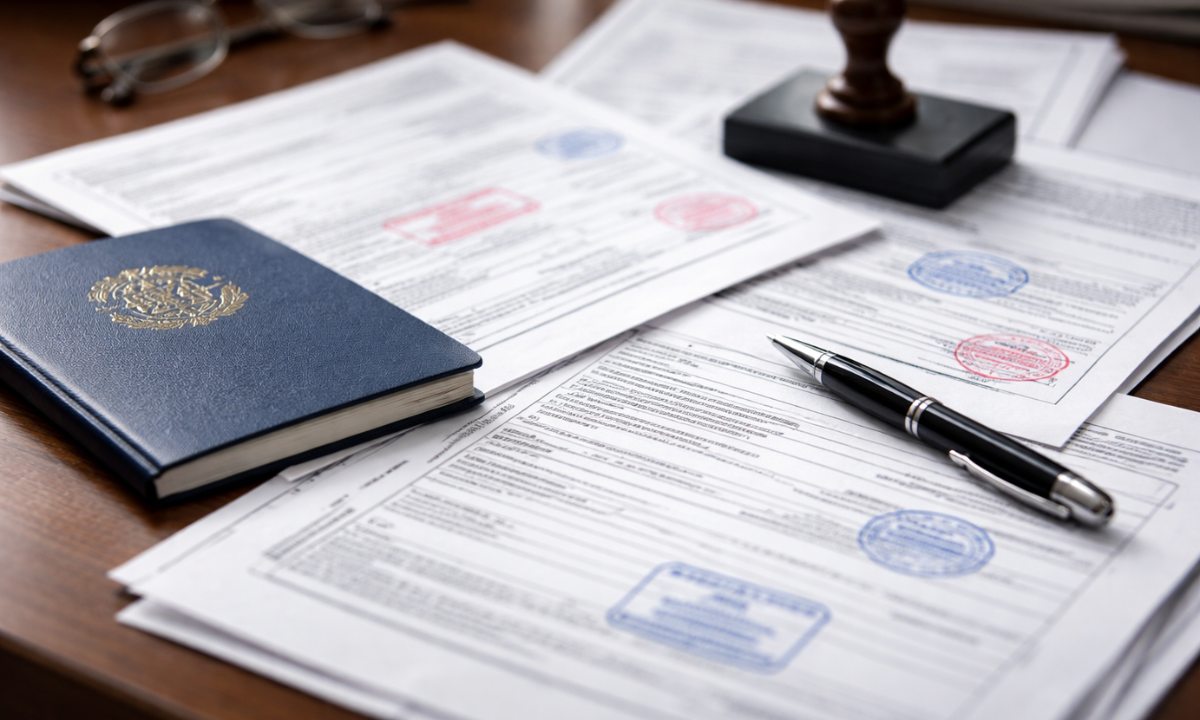
Documentation is the most common reason for delay in international repatriation cases. Even a small spelling mistake in the name, passport number, or date of birth can result in files being returned for correction. Since multiple authorities verify the same documents, accuracy and consistency are extremely important.
In addition, some documents must be notarized, translated, or officially stamped before submission. Coordinating these requirements across countries can take time without proper guidance.
Essential documents include:
| Document | Issued By | Purpose |
|---|---|---|
| Death Certificate | Local government registrar | Legal proof of death |
| Police Clearance | Local Police | Legal approval |
| Embalming Certificate | Licensed Mortuary | Confirms preservation |
| Coffin Certificate | Undertaker | Confirms sealed coffin |
| NOC | Indian Embassy | Permission for transport |
| Airway Bill | Airline | Cargo tracking |
Without proper documentation support, families may struggle to coordinate with authorities.
3. Embassy Procedures
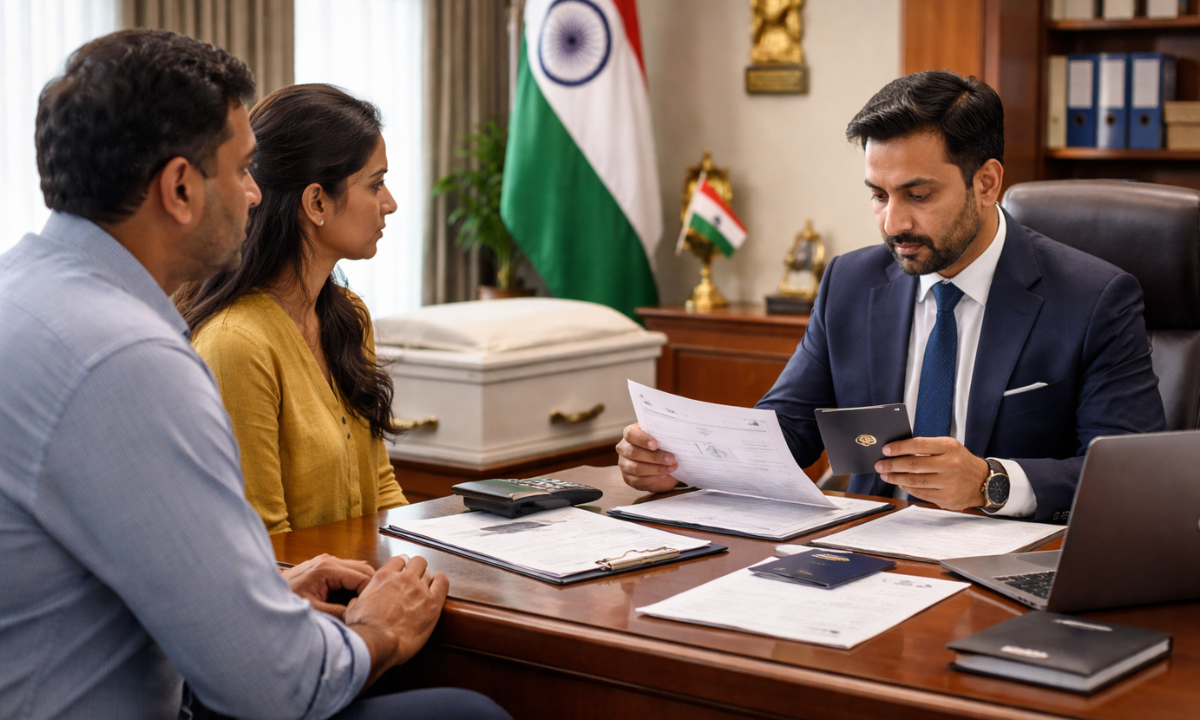
The Indian Embassy plays a central role in the international repatriation process. Before granting permission to transport the remains, the Embassy carefully reviews all submitted documents to ensure they comply with both local laws and Government of India regulations.
This verification process ensures that the identity of the deceased is correctly recorded and that there are no legal complications related to the transfer of remains. Any mismatch in documents may require resubmission, which can add to the timeline.
The Indian Embassy verifies:
- Identity of the deceased
- Passport cancellation
- Legal compliance
Embassy closures on weekends or public holidays can add additional waiting days.
4. Embalming and Sealing
For dead body transportation by air, embalming is almost always mandatory. This procedure is required under international health and aviation regulations to ensure safe and hygienic transit across borders.
Embalming must be performed by a licensed professional at an authorized mortuary facility. After the procedure, an official embalming certificate is issued, which airlines and airport authorities carefully verify before accepting the remains for cargo transport.
This process:
- Preserves the body
- Ensures hygiene compliance
- Adds approximately one working day
The coffin must also be hermetically sealed and certified.
5. Flight Availability and Cargo Space
Airlines treat human remains as special cargo, which means the booking process is different from regular passenger tickets. Specific documentation must be submitted in advance, and cargo space must be confirmed before transportation can proceed.
In many cases, airlines have limited capacity for such shipments, especially on busy international routes. Coordination between the funeral director, airline cargo department, and receiving airport authorities is essential to avoid last-minute complications.
Factors that may delay shipment:
- Limited cargo space
- Indirect or multi-stop routes
- Seasonal travel congestion
Not all airlines handle transporting dead bodies, so booking must be done carefully.
How Professional Services Reduce the Timeline

International repatriation involves coordination between hospitals, police departments, embassies, airlines, and airport authorities. Managing all these communications simultaneously can be overwhelming for families, especially while coping with grief.
Experienced professionals understand the sequence of approvals and ensure that each document is prepared correctly the first time. This prevents repeated submissions, unnecessary follow-ups, and costly delays.
Engaging experienced dead body repatriation services in India can significantly reduce delays.
We ensure:
- Immediate embassy communication
- Accurate paperwork preparation
- Coordination with foreign funeral directors
- Fast cargo booking
In some regions, professional coordination can reduce the process to 3–5 days.
Estimated Timeline Breakdown
To better understand how the overall timeframe is calculated, it helps to look at each stage individually. While some steps are completed one after another, others may run simultaneously when handled by experienced professionals.
The total duration depends on how quickly each authority issues approvals and how efficiently documentation is submitted. Below is a simplified step-by-step estimate to give you a clearer picture of how the process typically unfolds:
| Step | Approximate Time |
|---|---|
| Death Registration | 1–2 days |
| Police Clearance (if required) | 1–5 days |
| Embassy NOC | 1–2 days |
| Embalming & Sealing | 1 day |
| Cargo Booking & Flight | 1–3 days |
| Clearance in India | Same day or next day |
These steps may overlap when handled efficiently.
When Does It Take Longer Than a Month?
In rare but complex situations, the timeframe for international repatriation can extend well beyond the standard 5–7 working days. These cases usually involve legal, administrative, or logistical complications that require additional approvals before the remains can be released.
Authorities may need to complete formal investigations, court procedures, or identity verifications before granting clearance. In some countries, administrative systems move slowly, especially when multiple departments are involved.
This may happen when:
- The death is under criminal investigation
- There are disputes regarding the next of kin
- Local laws require extended procedures
- Remote locations delay body transfer to a major airport
In such cases, patience and proper legal coordination are essential.
Tips to Speed Up International Repatriation
We always recommend the following:
- Inform the Indian Embassy immediately
- Keep passport and ID copies ready
- Collect multiple certified document copies
- Double-check spelling in all paperwork
- Confirm airline cargo policies early
- Seek professional documentation support
Quick action in the first 24 hours makes a major difference.
Final Thoughts
The timeframe for international repatriation depends on many interconnected factors, including documentation, cause of death, embassy approvals, and airline logistics. While 5 to 7 working days is common for straightforward cases, families should be prepared for longer timelines in complex situations.
This is why professional repatriation services in India are essential during such sensitive times. At Beleiv Repatriation Services, we handle every stage with dignity, legal compliance, and compassionate coordination so families can focus on remembrance rather than procedures.
When handled correctly, even international repatriation becomes a structured and manageable process during one of life’s most difficult moments.
Frequently Asked Questions
1. What is the fastest possible timeframe?
In straightforward cases, such as USA to India routes, international repatriation can sometimes be completed within 3–5 business days. This is possible when the death is natural, documentation is issued quickly, and flights with available cargo space are accessible.
Fast coordination between hospitals, the Indian Embassy, and airline cargo departments is essential.
However, even small documentation errors or public holidays can extend the timeline unexpectedly.
2. Does embalming delay the process?
Embalming usually adds approximately one working day to the overall process, but it is a mandatory requirement for international transportation by air.
The procedure must be carried out by a licensed professional, and an official embalming certificate must be issued. While it slightly increases preparation time, embalming ensures hygiene compliance and smooth airline approval.
Without proper embalming and sealing, airlines will not accept the remains for transport.
3. Can families manage this themselves?
Technically, families can handle the process independently, but international coordination can be complicated and emotionally overwhelming.
The procedure involves foreign authorities, police departments, the Indian Embassy, airline cargo divisions, and airport officials. Managing documentation, translations, and legal verifications across countries requires careful attention.
A Funeral Service Provider in India can streamline communication, prevent paperwork errors, and reduce delays during an already difficult time.
4. What causes the most delay?
The most common cause of delay in international repatriation is incomplete or incorrect documentation. Even minor spelling mismatches in names or passport details can require resubmission.
Police investigations in accidental or unexplained deaths can significantly extend the timeline. Embassy closures during weekends or public holidays also pause approvals.
Additionally, limited cargo space or indirect flights may delay shipment if bookings are not arranged promptly.
Reference: