

Have you ever wondered what happens when a loved one passes away far from home, and how you can bring them back with dignity, respect, and minimal stress? During such emotional times, families are often overwhelmed with questions about repatriation, especially when faced with unfamiliar legal systems, time-sensitive procedures, and cultural responsibilities.
Whether it involves international body repatriation or understanding how repatriation services in India work, having clarity can make a deeply challenging situation more manageable. In this guide, we break down the most important aspects in a simple, practical way, so you feel informed, prepared, and supported at every step of the journey.
Key Points at a Glance
- Repatriation is a structured, multi-step process involving legal, medical, and logistical coordination
- Accurate documentation is crucial to avoid delays or rejections
- Timelines depend on country-specific regulations and airline availability
- Professional services ensure faster processing and reduce emotional burden
- Costs vary widely depending on distance, services, and urgency
- Cultural and religious practices are carefully respected
- Choosing experienced providers ensures peace of mind during difficult times
1. What Is Repatriation of Human Remains?
The repatriation of human remains refers to transporting a deceased person from a foreign country back to their home country for final rites. This process is not just logistical; it is deeply emotional, as families seek closure and the ability to honour their loved ones according to their traditions.
It involves coordination between hospitals, embassies, airlines, and local authorities, making it a highly regulated process. Without proper knowledge or assistance, even small errors can lead to delays, which is why expert guidance is often essential.
2. When Is International Body Repatriation Required?

International body repatriation becomes necessary when a person passes away outside their home country due to travel, work assignments, education, or migration. In today’s globalised world, such situations are more common than many realise.
Families usually opt for repatriation to perform last rites in their native place, surrounded by relatives and familiar customs. This not only provides emotional comfort but also ensures that cultural and religious obligations are fulfilled appropriately.
3. What Documents Are Required for Repatriation?
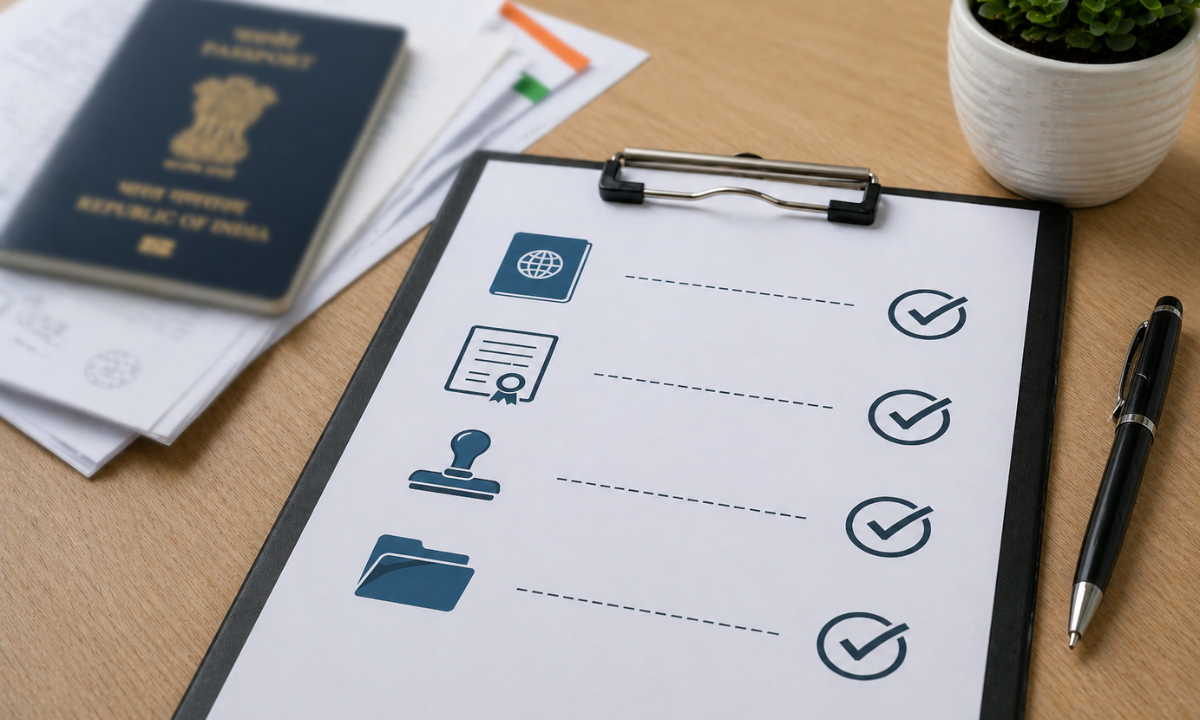
Documentation is one of the most critical and often complex parts of the process. Even a minor missing document can delay the entire procedure, causing additional stress for the family.
Essential Documents Include:
- Death certificate issued by local authorities (with cause of death)
- Embalming certificate confirming preservation standards
- No Objection Certificate (NOC) from the relevant authorities
- Original passport of the deceased for cancellation
- Transit permit for international movement
- Airline clearance and cargo documentation
In many cases, documents must also be notarised or translated, depending on the country. Professional services help ensure everything is accurate and submitted on time.
4. How Long Does the Repatriation Process Take?
The timeline for funeral repatriation typically ranges between 3 and 10 days, but this can vary based on several factors. In urgent situations, experienced providers may be able to expedite the process significantly.
Key factors influencing the timeline include:
- Country-specific legal and health regulations
- Availability of direct or connecting flights
- Time taken for embassy approvals
- Accuracy and completeness of documentation
Understanding these variables helps families set realistic expectations and plan accordingly.
5. What Does Funeral Repatriation Include?
Funeral repatriation is a comprehensive service designed to handle every aspect of the process with dignity and precision. It ensures that families do not have to deal with complex logistics during an already emotional time.
Services Usually Include:
- Professional embalming and body preservation
- Arrangement of a sealed, airline-approved coffin
- End-to-end documentation and legal formalities
- Coordination with embassies, airlines, and authorities
- Transportation from the airport to the final destination
Some providers also offer grief support and assistance with local funeral arrangements, making the process even more seamless.
6. What Is the Cost of Repatriation Services?
The cost of repatriation can vary significantly depending on the situation, and families are often concerned about affordability. While it may seem expensive, the cost reflects the complexity and urgency of the process.
Key Cost Factors:
| Factor | Impact on Cost |
|---|---|
| Distance between countries | Longer distances increase logistics and airfare |
| Documentation complexity | More approvals may add to service charges |
| Airline cargo fees | Depends on weight and route |
| Coffin and embalming | Quality and compliance affect cost |
| Additional services | Local transport, rituals, and coordination |
For instance, repatriation services from the USA to India can range from ₹3 lakh to ₹10 lakh or more. However, transparent providers will always offer a detailed breakdown to help families plan better.
7. How Does Dead Body Repatriation in India Work?
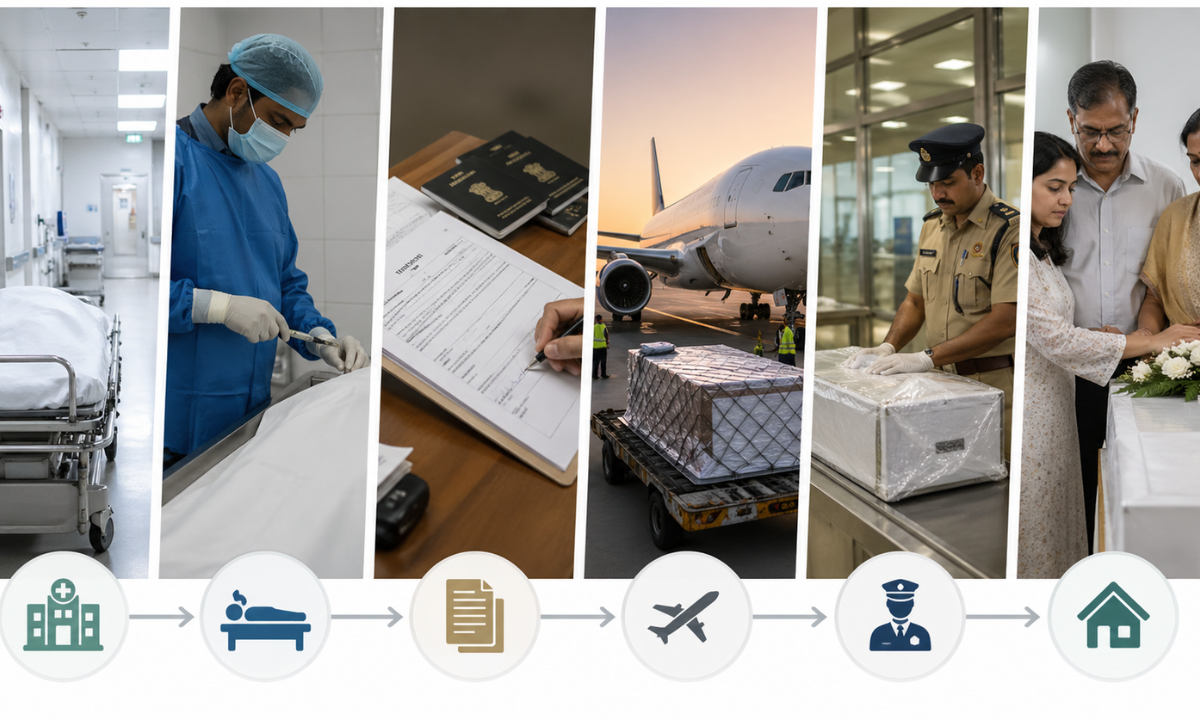
Dead body repatriation in India follows a well-defined process that ensures both legal compliance and respectful handling. Each step is carefully managed to avoid complications at any stage.
Step-by-Step Process:
- Collection of the deceased from the hospital or residence
- Embalming and preparation for transport
- Documentation and approvals from authorities
- Booking international cargo space with airlines
- Customs clearance upon arrival in India
- Final delivery to the family for the last rites
Professional coordination ensures that each step is completed efficiently, reducing delays and stress.
8. Can Ashes Be Repatriated Instead of the Body?
Yes, transporting ashes is a simpler alternative to full-body repatriation and is often chosen for faster processing. It is also more cost-effective and involves fewer logistical challenges.
However, it still requires proper documentation, such as a cremation certificate and a death certificate. Additionally, ashes must be securely packed in approved containers to meet airline regulations.
9. Why Should You Choose Professional Repatriation Services?

Handling repatriation independently can be overwhelming due to legal complexities, emotional stress, and time constraints. Professional services bring expertise and efficiency to the process.
Benefits of Professional Services:
- 24/7 support during emergencies
- In-depth knowledge of international regulations
- Faster documentation and approvals
- Dignified and respectful handling of the deceased
- Reduced burden on grieving families
In fact, industry insights suggest that over 80% of families opt for professional help to ensure a smooth and hassle-free experience.
10. What Should You Look for in a Repatriation Service Provider?
Choosing the right service provider can make a significant difference in how smoothly the process unfolds. Not all providers offer the same level of service, so careful evaluation is important.
Key Qualities to Look For:
- Proven experience in international cases
- Transparent and upfront pricing
- Strong global network and partnerships
- Compassionate and responsive customer support
- End-to-end service capabilities
Taking the time to choose the right partner can save both time and emotional stress later.
Practical Tips for Families
- Keep all important documents easily accessible and organised
- Inform the embassy or consulate immediately after the incident
- Choose a provider with verified experience in international cases
- Request a detailed cost estimate to avoid hidden charges
- Clearly communicate any religious or cultural requirements
These small steps can significantly ease the process during a difficult time.
Final Thoughts
Dealing with the loss of a loved one abroad is emotionally overwhelming, and navigating the logistics can add to the stress. By understanding these common questions about repatriation, families can make informed decisions and avoid unnecessary complications.
Choosing reliable repatriation services in India ensures that every step is handled with care, professionalism, and empathy. With trusted providers like Beleiv Repatriation, families can focus on healing while experts manage the complexities with dignity and respect.
Frequently Asked Questions
Q1. Is embalming mandatory for repatriation?
Yes, embalming is generally mandatory for international repatriation, as it preserves the body during transit and prevents decomposition. Most countries and airlines require an embalming certificate as part of health and safety regulations. It also ensures the remains are transported with dignity over long distances. In rare cases, specific religious or regional exemptions may apply, but these depend on local laws and airline policies.
Q2. Can repatriation be done without a passport?
No, repatriation cannot typically be carried out without the passport of the deceased. The passport serves as a primary identification document and is required for legal processing, embassy clearances, and cancellation procedures. Authorities use it to verify identity and nationality before approving transportation. In exceptional cases where the passport is unavailable, additional legal documentation and approvals may be required, which can significantly delay the process.
Q3. Are there airline restrictions?
Yes, airlines have strict and well-defined regulations for transporting human remains internationally. These include requirements for embalming, the use of hermetically sealed and airline-approved coffins, and complete documentation. Airlines also follow international health and safety standards to ensure secure handling during transit. Additionally, cargo booking procedures, weight limitations, and route availability can affect the process, making professional coordination essential to avoid complications.
Q4. Who handles embassy coordination?
Embassy coordination is usually managed by professional repatriation service providers, as it involves multiple formalities and approvals. They communicate with the relevant embassy or consulate to obtain necessary clearances, verify documents, and ensure compliance with international regulations. This step is crucial for cross-border transportation. By handling these procedures, service providers reduce the burden on families and help avoid delays caused by incomplete or incorrect documentation.
Q5. Does insurance cover repatriation?
In some cases, repatriation costs are covered by travel insurance or life insurance policies, but this depends on the specific terms and conditions. Coverage may include transportation, documentation, and related services. However, not all policies offer this benefit, and there may be limits or exclusions. Families need to review the policy details carefully and coordinate with both the insurer and service provider to understand the extent of coverage available.