

Losing a loved one far from home is one of the most painful experiences we can go through. During such a difficult time, handling the repatriation of the body to India becomes an emotional and logistical challenge, especially when we are unfamiliar with international procedures.
Many families turn to repatriation services in India to manage the process with care and professionalism. But what really happens behind the scenes, and why does it often feel so overwhelming? Let’s understand the common challenges involved and how we can navigate them more smoothly.
Key Takeaways
- The Repatriation process involves multiple documents, approvals, and coordination.
- Legal paperwork like death certificates and NOCs can delay the process.
- Body repatriation costs can be high due to transport, embalming, and service charges.
- Language barriers and foreign regulations can complicate communication.
- Airline rules and cargo restrictions often cause unexpected delays.
- Insurance may or may not cover expenses; understanding policies is important.
- Professional support can reduce stress and ensure compliance.
Understanding The Repatriation Process
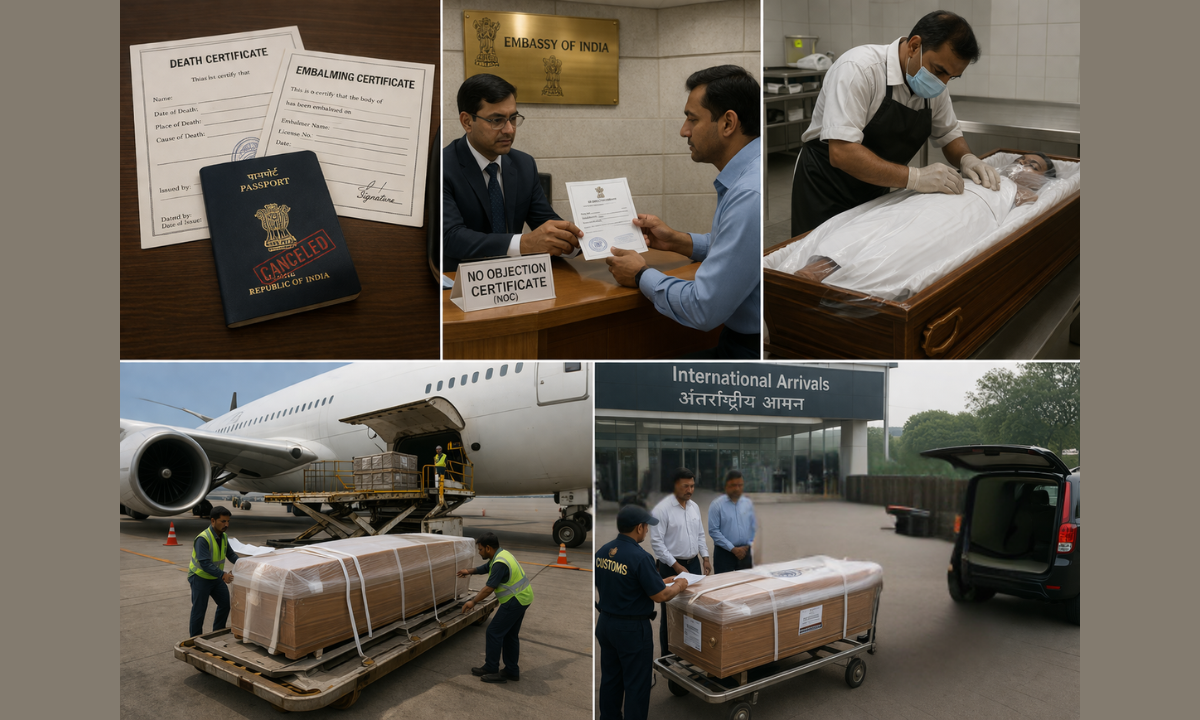
The repatriation process refers to bringing a deceased person’s body back to their home country. While it may sound straightforward, it involves several steps that must be followed carefully.
Here’s a simplified overview:
| Step | What It Involves |
| Documentation | Death certificate, embalming certificate, passport cancellation |
| Embassy Clearance | NOC from the Indian Embassy |
| Preparation | Embalming and coffin sealing |
| Transportation | Booking air cargo and handling logistics |
| Arrival in India | Customs clearance and local transport |
Even a small error in any step can lead to delays, making it essential to handle everything correctly.
1. Complex Documentation And Legal Formalities
One of the biggest challenges we face is managing the paperwork. Each country has its own rules, and missing even one document can stop the process. During such an emotional time, understanding what documents are required and how to obtain them can feel confusing and overwhelming. In many cases, different authorities are involved, and each one may have specific formats or verification requirements.
Important documents include:
- Death certificate issued by local authorities
- Embalming certificate
- No Objection Certificate (NOC) from the Indian Embassy
- Passport cancellation
Sometimes, these documents need to be notarised or translated, which adds more time and effort.
Tip: Always keep digital copies of all documents ready for quick sharing.
2. Logistical Coordination Across Countries
Coordinating between multiple parties can be overwhelming. We often have to deal with different systems, timelines, and procedures that vary from country to country. Managing communication between all these stakeholders during an already emotional time can feel stressful and difficult to handle without support.
We often have to deal with:
- Local funeral homes abroad
- Airlines and cargo services
- Indian authorities and customs
Each step depends on the previous one, which means delays can easily occur.
| Challenge | Impact |
|---|---|
| Miscommunication | Delays in approvals |
| Time zone differences | Slower coordination |
| Multiple agencies | Increased complexity |
3. High Body Repatriation Cost
The body repatriation cost is another major concern for families. Expenses can quickly add up, especially when international travel is involved. In many cases, costs are not always clearly communicated upfront, which can make financial planning even more stressful during an already difficult time. Understanding where the money goes can help us make better and more informed decisions.
Common cost components:
| Description | |
|---|---|
| Embalming | Preservation of the body |
| Coffin & Sealing | Required for air transport |
| Air Cargo Charges | Airline transportation fees |
| Funeral Services | Handling and documentation |
| Local Transport | From the airport to the final destination |
These combined expenses contribute to the overall repatriation of mortal remains expenses, which can sometimes be financially overwhelming.
Tip: Ask for a detailed cost breakdown before proceeding to avoid surprises.
4. Airline And Cargo Restrictions
Airlines have strict rules when it comes to transporting human remains. These rules are designed to ensure safety and compliance with international standards, but they can feel complicated for families who are unfamiliar with the process. In many cases, approvals must be taken in advance, and even a small delay in meeting requirements can affect the travel schedule.
These include:
- Special coffin requirements
- Mandatory sealing procedures
- Limited cargo space availability
Flights may also be delayed or unavailable, especially during peak seasons.
| Restriction | Result |
|---|---|
| Limited cargo slots | Waiting periods |
| Strict packaging rules | Additional preparation time |
| Airline approvals | Extra documentation |
5. Regulatory Differences Between Countries
Every country has its own legal and health regulations. What is allowed in one country may not be accepted in another. This means we often have to understand and follow two different sets of rules at the same time, which can be confusing and time-consuming. Even small differences in requirements can lead to delays if not handled properly.
For example:
- Some countries require additional health checks
- Others need police clearance for certain deaths
This becomes even more complex in cases like repatriation of the body to India from the USA, where multiple authorities are involved.
6. Language And Cultural Barriers
When dealing with non-English-speaking countries, communication becomes a real challenge. Misunderstandings can lead to delays or incorrect documentation. During such sensitive situations, even small communication gaps can create confusion and slow down the entire process.
We may also find it difficult to understand local procedures, legal terms, or official instructions, especially when everything is explained in a different language. Cultural differences in how death and funeral practices are handled can further complicate coordination and expectations.
Tip: Work with professionals who understand both local and Indian requirements.
7. Case-Specific Complications
In some situations, the repatriation process becomes more complex due to the nature of the death. These cases often involve additional legal procedures and thorough investigations before any approvals are granted. For families, this can be especially stressful as the timelines become uncertain and longer than expected.
Some situations require extra approvals and investigations, such as:
- Accidental deaths
- Suicides
- Legal or police cases
These cases often need clearance from multiple departments, which can significantly delay the process.
8. Insurance And Financial Uncertainty
Many families wonder, does travel insurance cover the repatriation of the body? The answer depends on the policy. During such difficult times, not knowing what expenses are covered can create additional stress and confusion for families already dealing with loss. Understanding insurance terms and conditions in advance can help avoid unexpected financial burdens.
It is also important to note that coverage may vary based on the cause of death, location, and specific policy inclusions. Some claims may require proper documentation and approvals before reimbursement is processed.
| Scenario | Coverage |
|---|---|
| Comprehensive travel insurance | Usually covers repatriation |
| Basic policies | May not include coverage |
| Special cases | Subject to conditions |
It is always important to check the policy details in advance.
Practical Tips To Handle The Process Better
Here are some simple steps that can make things easier:
- Choose experienced professionals for guidance
- Keep all documents organised and accessible
- Verify airline requirements in advance
- Understand the full cost structure
- Check insurance coverage early
- Stay in constant communication with all parties
These small steps can reduce stress during an already emotional time.
Why Professional Support Matters
Handling everything alone can be overwhelming. This is why many families rely on experts who specialise in international repatriation.
They help with:
- Documentation and approvals
- Coordination with embassies and airlines
- Managing timelines and logistics
This ensures that the process is completed with dignity and without unnecessary delays.
Final Thoughts
The repatriation of the body to India is not just a procedural task; it is an emotional journey that requires care, patience, and proper guidance. With so many challenges involved, from documentation to logistics and costs, having the right support can make a significant difference.
Choosing reliable repatriation services in India ensures that everything is handled respectfully and efficiently during such a sensitive time. At Beleiv Repatriation, the focus is always on easing this burden for families and helping them bring their loved ones home with dignity.
Frequently Asked Questions
1. How long does the repatriation process take?
The repatriation process usually takes around 3 to 7 days under normal circumstances. However, timelines can vary depending on the country where the death occurred, the speed of documentation, and embassy approvals. Delays may also happen due to airline availability or additional legal clearances. Working with experienced professionals can help speed up the process and avoid unnecessary hold-ups.
2. What is the average body repatriation cost?
The average body repatriation cost can vary significantly based on factors like the country of origin, airline charges, and service providers involved. Costs typically include embalming, coffin preparation, documentation, cargo fees, and local transport. Since each case is different, expenses can range widely. It is always advisable to request a detailed estimate in advance to understand the full financial requirement.
3. Does travel insurance cover repatriation of bodies?
Travel insurance may cover repatriation of a body, but only if the policy specifically includes this benefit. Comprehensive plans are more likely to provide coverage, while basic policies may exclude it. The extent of coverage also depends on conditions such as the cause of death and documentation. It is important to carefully review the policy terms and contact the insurer for clarity during emergencies.
4. What documents are mandatory for body repatriation?
Several important documents are required for repatriation, including the death certificate issued by local authorities, an embalming certificate, and a No Objection Certificate (NOC) from the Indian Embassy. Passport cancellation of the deceased is also necessary. In some cases, additional documents or notarisation may be required depending on local laws. Ensuring all paperwork is accurate and complete helps avoid delays.
5. Can families handle the process themselves?
While families can handle the repatriation process themselves, it is often very challenging due to the legal, logistical, and emotional complexities involved. Coordinating with foreign authorities, airlines, and embassies requires time, knowledge, and experience. Any mistake in documentation can lead to delays. Seeking professional assistance can ease the burden and ensure the process is handled smoothly and respectfully.
Reference