

Losing a loved one far from home can be overwhelming, and understanding the difference between domestic vs international repatriation becomes an important part of navigating this difficult time.
The process of bringing someone home can vary greatly depending on whether the transfer happens within the same country or across borders, and many families rely on trusted repatriation services in India to handle these sensitive arrangements with care.
In this blog, we will gently walk through both options, so we can better understand what to expect, how to plan, and how to make the right decisions when it matters most, because knowing these differences can truly ease a difficult journey.
Key Points at a Glance
- Domestic repatriation happens within the same country and is faster
- International repatriation involves complex legal and embassy procedures
- Costs are significantly higher for international transport
- Documentation requirements differ greatly between the two
- Ashes repatriation is a simpler alternative in some cases
- The repatriation timeline varies from hours to weeks
- Choosing the right provider ensures a smooth and respectful process
What Is Domestic vs International Repatriation?
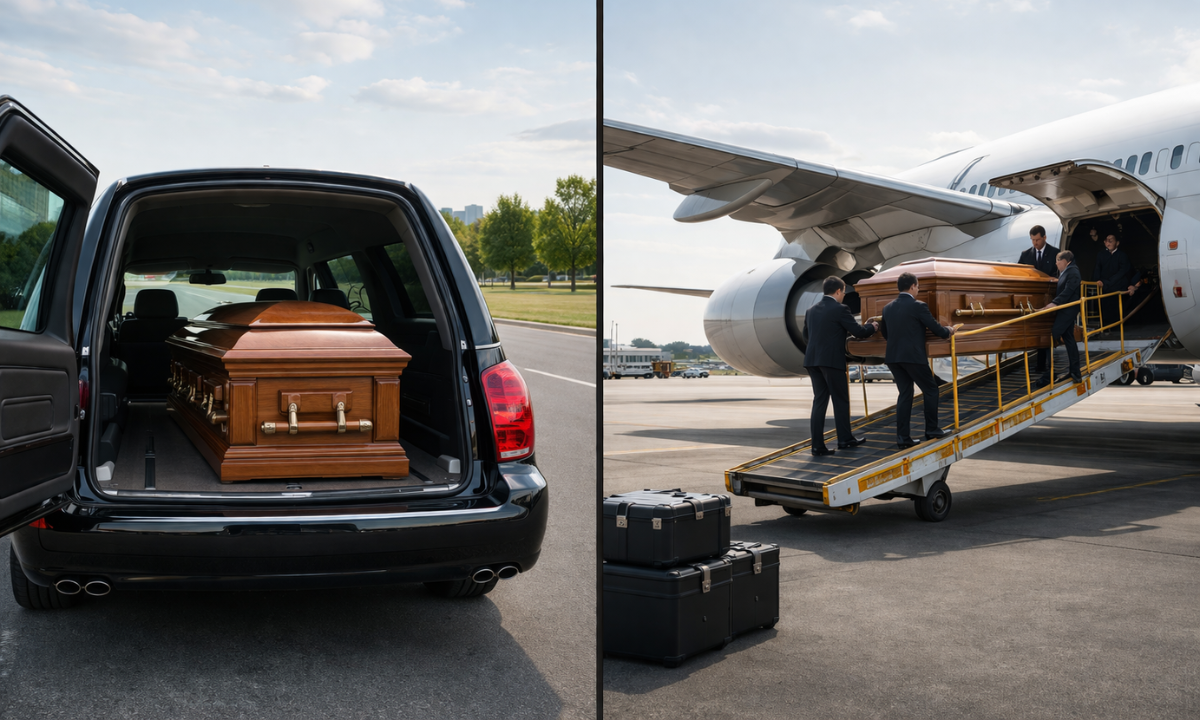
To understand what domestic vs international is, we can think of it in very simple terms. Domestic repatriation refers to transporting the deceased within the same country, such as from one city or state to another.
International repatriation, on the other hand, involves bringing the deceased from one country to another. This process includes legal approvals, embassy involvement, and strict international transport protocols, making it more detailed and time-consuming.
Domestic Repatriation: Simple and Faster

Domestic repatriation is usually more straightforward and quicker to arrange. Since the transportation happens within national borders, the process involves fewer legal complexities.
Key Aspects of Domestic Repatriation
| Aspect | Details |
|---|---|
| Duration | 24–48 hours (in most cases) |
| Transport | Road ambulance or air cargo |
| Documentation | Death certificate, local NOC |
| Cost | Starts from ₹21,000+ |
| Embalming | May be required for long distances |
We often find that domestic transfers are handled smoothly when documents are ready and logistics are well-coordinated. The simplicity of the process helps families focus more on rituals and grieving rather than paperwork.
International Repatriation: Detailed and Regulated
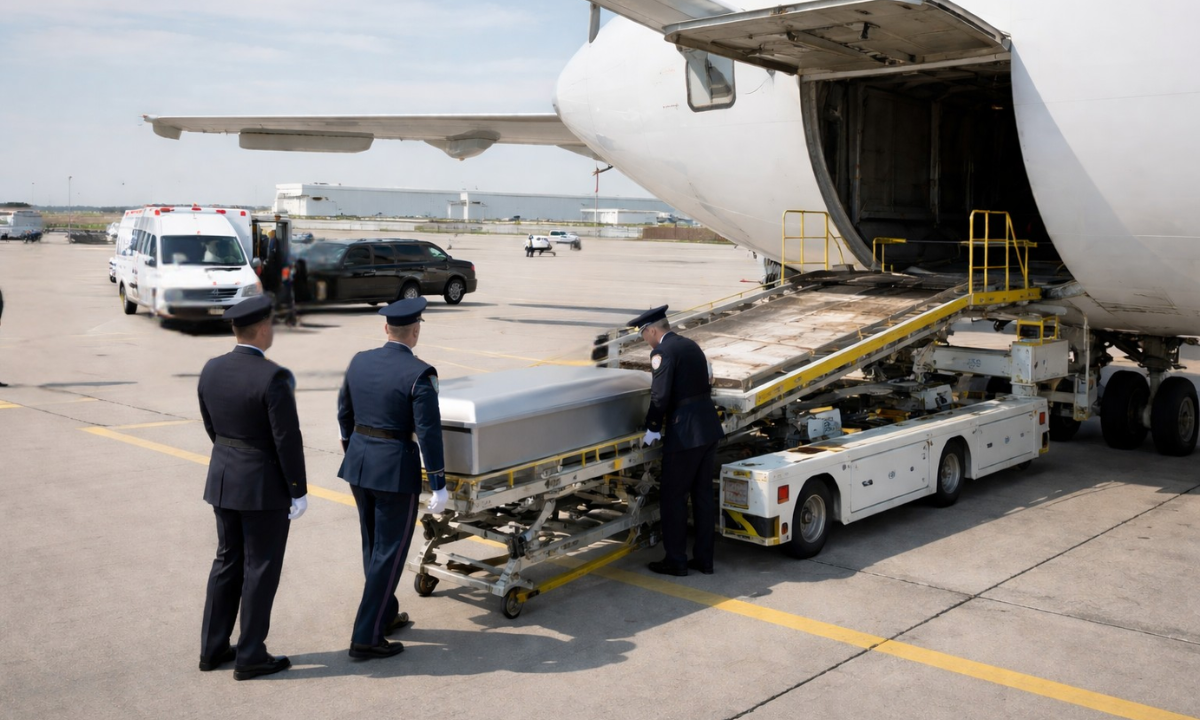
International repatriation is a much more structured and regulated process. It involves coordination between two countries, which adds layers of legal and procedural requirements.
Key Aspects of International Repatriation
| Aspect | Details |
|---|---|
| Duration | 2 to 4 weeks (or more) |
| Transport | International air cargo |
| Documentation | Embassy approvals, health certificates |
| Cost | ₹2,00,000 to ₹20,00,000 |
| Embalming | Mandatory as per international standards |
In cases such as repatriation services from the USA to India, additional steps, such as consular clearance and coffin-sealing certifications, are required. These steps ensure that the remains are transported safely and respectfully across borders.
Key Differences Between Domestic and International Repatriation
Understanding the differences clearly can help us make informed decisions during difficult moments.
Comparison Table
| Factor | Domestic Repatriation | International Repatriation |
|---|---|---|
| Legal Complexity | Low | High |
| Time Required | 1–2 days | 2–4 weeks |
| Cost | Affordable | Expensive |
| Documentation | Basic | Extensive |
| Embassy Involvement | Not required | Mandatory |
| Coffin Sealing | Optional | Mandatory |
These differences highlight why planning and professional assistance become even more important for international cases.
Understanding the Repatriation Timeline
The repatriation timeline depends on several factors, including location, documentation, and coordination between authorities.
Typical Timeline Breakdown
Domestic Repatriation:
- Document collection: A few hours
- Transport arrangement: Same day
- Completion: Within 24–48 hours
International Repatriation:
- Documentation and approvals: 7–10 days
- Embalming and coffin sealing: 2–3 days
- Flight arrangements and clearances: 1–2 weeks
We should always prepare for possible delays in international cases due to legal formalities or flight availability.
Ashes Repatriation: A Simpler Alternative

In some situations, families may consider ashes repatriation instead of transporting the body. This option is often simpler, faster, and more affordable.
Why Families Choose Ashes Repatriation
- Minimal documentation compared to full-body transport
- Lower costs
- Easier airline compliance
- Faster processing time
While this option may not be suitable for everyone, it can provide a practical and respectful alternative when time or cost is a concern.
Choosing the Right Provider
One of the most important decisions we make during this process is choosing the right provider. A reliable service provider ensures that every step is handled professionally and with empathy.
What to Look For
- Experience in both domestic and international repatriation
- Clear communication and transparency
- End-to-end service support
- Knowledge of embassy and airline procedures
- Compassionate handling of the situation
When we work with the right professionals, we can focus on our emotional needs while they manage the logistics.
Why Professional Help Matters
Repatriation is not just about transportation; it involves dignity, respect, and cultural sensitivity. From embalming to documentation, every step must meet specific standards.
Professional repatriation services in India play a vital role in ensuring:
- Compliance with all legal requirements
- Safe and respectful handling of the deceased
- Timely coordination with authorities and airlines
- Support for grieving families
Their expertise helps reduce stress during one of the most difficult times in our lives.
Final Thoughts
Understanding the difference between domestic and international repatriation helps us prepare better and make informed decisions when emotions are high. While domestic transfers are quicker and simpler, international repatriation requires patience, planning, and expert guidance.
By working with trusted repatriation services in India, such as Beleiv Repatriation, we can ensure that our loved ones are brought home with dignity, care, and respect, no matter the distance.
In the end, what truly matters is not just the journey back home, but the peace of mind knowing it was handled with compassion every step of the way.
FAQs
1. What is the main difference between domestic and international repatriation?
The main difference lies in location and complexity. Domestic repatriation involves transporting the deceased within the same country, making it relatively simple with fewer documents and quicker processing. International repatriation, however, requires moving the deceased across countries, which involves embassy approvals, strict regulations, and detailed documentation, making the process more time-consuming, structured, and legally complex.
2. How long does repatriation take?
The timeline depends on whether the repatriation is domestic or international. Domestic repatriation is usually completed within 24–48 hours, as it involves fewer formalities and quicker transport arrangements. In contrast, international repatriation can take anywhere from 2 to 4 weeks, depending on documentation, embassy clearances, embalming procedures, and flight availability, which can sometimes cause delays.
3. Is the ashes repatriation easier?
Yes, ashes repatriation is generally much easier compared to transporting the body. It involves fewer legal formalities, minimal documentation, and simpler airline procedures. Families often find this option more affordable and quicker to arrange. Additionally, the reduced complexity allows for faster transportation, making it a practical and respectful choice in situations where time, cost, or logistics are major concerns.
4. Why is international repatriation expensive?
International repatriation is expensive because it involves multiple specialized processes and strict regulations. Costs include embalming as per international standards, coffin sealing, air cargo charges, and extensive documentation. Additionally, embassy or consulate clearances and cross-country coordination add to expenses. The involvement of trained professionals and compliance with global protocols further increase the overall cost.
5. Do I need professional help for repatriation?
Yes, professional help is highly recommended for repatriation. The process involves legal documentation, coordination with authorities, embalming, and transport logistics, which can be overwhelming during an emotional time. Experienced service providers ensure everything is handled correctly and respectfully, reducing stress for the family. Their guidance helps avoid delays, ensures compliance with regulations, and provides much-needed support throughout the process.
Reference