

When a loved one passes away far from home, the emotional weight is often matched by the sudden burden of handling unfamiliar formalities and urgent decisions. In such difficult moments, understanding the embassy procedure becomes essential to ensure a smooth, respectful, and timely return of the deceased.
With the increasing need for repatriation services in India, families are now seeking reliable guidance to navigate documentation, approvals, and international regulations with clarity and confidence.
But what exactly does this process involve, and how can you ensure everything is handled without delays or complications? Let’s explore every detail step by step
Key Points at a Glance
- Embassy procedures are mandatory for international human remains transport, and no airline will proceed without approvals
- Documentation and embassy clearance are highly time-sensitive and must be handled with precision
- Consular services act as the official bridge between countries, ensuring compliance and coordination
- Understanding legal considerations for funeral repatriation helps avoid rejections and delays
- Professional agencies simplify the entire repatriation journey, reducing stress on families
- The role of Indian embassies in dead body repatriation is crucial for verification and permissions
- Choosing the right experts ensures dignity, speed, and full legal compliance
What Is the Embassy Procedure for the Transport of Human Remains?

The embassy procedure refers to a structured set of legal and administrative steps required to transport a deceased individual from one country to another. It involves coordination between hospitals, local authorities, embassies, airlines, and funeral service providers.
This process ensures that all international health regulations, legal norms, and identity verifications are strictly followed. Without completing these steps, the remains cannot legally cross international borders, making embassy approval a non-negotiable requirement.
Why Embassy Clearance Is So Important

Embassy clearance is one of the most critical stages in the repatriation process, as it serves as the final authorisation for transportation. It verifies that all submitted documents are authentic and that the case complies with both countries’ legal frameworks.
Here’s why it is essential:
- Prevents cross-border legal disputes or rejections
- Ensures compliance with global health and safety standards
- Confirms the identity and cause of death beyond doubt
- Allows airlines to accept and transport the remains legally
In many real-life cases, incomplete clearance has delayed transportation by up to 7–10 days, adding emotional and logistical strain to families.
Key Documents Required for Embassy Attestation in India
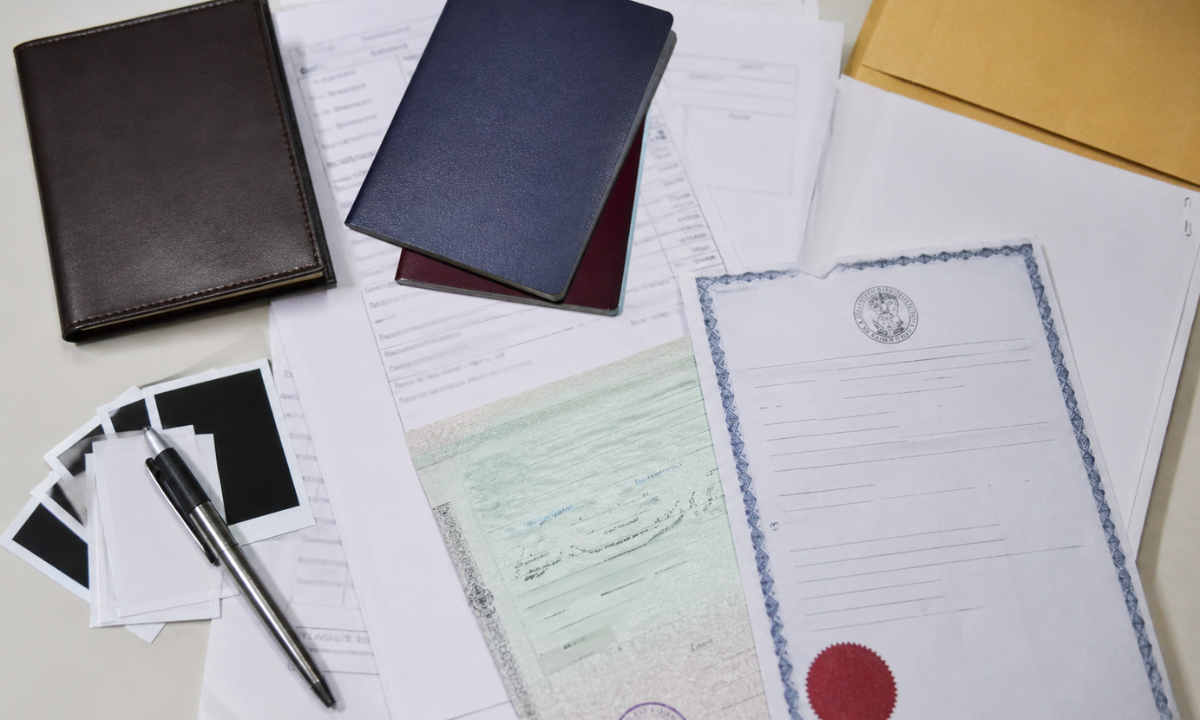
When dealing with Embassy attestation in India, having complete and accurate documentation is absolutely critical. Even minor spelling errors or mismatched details can lead to rejections or repeated submissions.
Essential Documents Checklist
| Document | Purpose |
|---|---|
| Death Certificate | Official confirmation of death issued by authorities |
| Passport of the deceased | Identity verification and nationality confirmation |
| Embalming Certificate | Proof that the body is preserved for safe transport |
| Coffin Certificate | Ensures the coffin meets international transport standards |
| No Objection Certificate (NOC) | Approval from local authorities for transport |
| Police Clearance | Required in cases of accidental or unnatural death |
| Flight Booking Details | Confirms travel arrangements and scheduling |
Each of these documents must be verified, notarised, and sometimes translated, depending on the country’s requirements. This is why professional guidance is often recommended.
Role of Consular Services in the Process

Consular services play a central role in ensuring smooth coordination between the country where the death occurred and the home country of the deceased. They act as official representatives who guide families through unfamiliar legal systems.
Their responsibilities include:
- Verifying and authenticating submitted documents
- Providing families with step-by-step guidance
- Issuing transit permits and necessary certificates
- Coordinating with hospitals, police, and funeral homes
Additionally, consulates often provide emergency assistance and multilingual support, which can be incredibly helpful during stressful situations.
Legal Considerations for Funeral Repatriation

Understanding the legal considerations for funeral repatriation is essential because every country has strict rules governing the transport of human remains. These laws are designed to ensure public health safety and prevent legal disputes.
Important Legal Factors
- The cause of death must be clearly certified and documented
- Autopsy reports may be mandatory in suspicious cases
- Embalming must meet internationally accepted standards
- Coffin specifications must comply with airline safety norms
Ignoring or misunderstanding these legal requirements can lead to serious delays, penalties, or even denial of transport permissions, making compliance crucial.
Role of Indian Embassies in Dead Body Repatriation
The role of Indian embassies in dead body repatriation goes beyond documentation; they act as facilitators and support systems for grieving families. They ensure that all processes are completed with dignity and respect.
Key Functions
- Issuing transit permits and final approvals
- Verifying the authenticity of all submitted documents
- Coordinating with local authorities in the foreign country
- Providing guidance and updates to families
Indian embassies also ensure that all procedures align with Indian legal and cultural expectations, making the transition smoother once the remains arrive.
Role of Funeral Repatriation Companies
Handling the entire process independently can be overwhelming, especially during grief. This highlights the role of funeral repatriation companies, which specialise in managing complex international procedures.
What They Do
- Handle complete documentation and verification
- Coordinate with embassies, airlines, and local authorities
- Arrange embalming, coffin sealing, and logistics
- Provide end-to-end tracking and updates
These companies bring expertise and efficiency, ensuring the process is completed faster, more accurately, and with minimal stress for families.
Example: Repatriation Services from the USA to India
Arranging repatriation services from the USA to India involves multiple steps and coordination between different agencies. Each step must be completed in sequence to avoid disruptions.
Step-by-Step Flow
- Obtain a death certificate from the US authorities
- Complete embalming and coffin sealing procedures
- Submit all documents to the Indian consulate
- Receive embassy clearance and approvals
- Book international air cargo transport
- Arrange final rites and local transport in India
On average, this process takes 3 to 7 working days, but delays can occur if documentation is incomplete or approvals are pending.
Common Challenges and How to Avoid Them
Even with proper planning, families often face challenges during the embassy procedure due to its complexity and urgency.
Top Challenges
- Missing or incorrect documentation
- Delays in embassy approvals due to high workload
- Lack of awareness about country-specific rules
- Coordination gaps between multiple agencies
Quick Tips to Avoid Delays
- Double-check every document before submission
- Work with experienced repatriation professionals
- Stay updated with embassy guidelines and timelines
- Keep both digital and physical copies ready at all times
Taking these precautions can significantly reduce delays and ensure a smoother, faster process.
Why You Need International Repatriation Help
Seeking International repatriation help ensures that every step is handled professionally, legally, and compassionately. It allows families to focus on grieving rather than managing complex paperwork.
Studies suggest that over 60% of delays in repatriation cases occur due to documentation errors or miscommunication. Professional services help eliminate these risks and ensure timely completion.
Final Thoughts
Navigating the embassy procedure for human remains transport can feel overwhelming, especially during emotionally difficult times. However, with proper understanding, careful planning, and expert assistance, the process becomes far more manageable and respectful.
Choosing reliable repatriation services in India ensures that your loved one’s final journey is handled with dignity, efficiency, and care. Trusted providers like Beleiv Repatriation combine expertise with compassion, offering families the support they need during one of life’s most challenging moments.
FAQs
1. How long does embassy clearance take?
Embassy clearance usually takes 2 to 5 working days, but the timeline can vary depending on multiple factors. These include the accuracy of submitted documents, the specific country’s regulations, and the workload at the embassy or consulate. In urgent cases, delays may occur if additional verification is required. Working with professionals can help speed up the process by ensuring all paperwork is correctly prepared and submitted on time.
2. Is embalming mandatory?
Yes, embalming is generally mandatory for international transportation of human remains. This process preserves the body and prevents decomposition during transit, especially for long-distance travel. Most airlines and countries require an embalming certificate as proof that health and safety standards have been met. Without it, authorities may deny transport permission, making it a critical step in the repatriation process.
3. Can families handle the process themselves?
Families can manage the repatriation process themselves, but it is often complex, time-sensitive, and emotionally challenging. The procedure involves multiple steps, such as documentation, embassy approvals, and coordination with airlines and authorities. Any small error can lead to delays. Therefore, many families choose professional assistance to ensure everything is handled efficiently, allowing them to focus on grieving and final arrangements.
4. What happens if documents are missing?
If any required documents are missing or incomplete, the entire process can come to a temporary halt until corrections are made. Authorities and embassies will not proceed without proper verification, which can delay transportation by several days. In some cases, additional documentation may be requested. Ensuring all paperwork is accurate and complete from the start is crucial to avoid unnecessary stress and delays.
5. Are repatriation services expensive?
The cost of repatriation services can vary depending on factors such as distance, airline charges, documentation, and additional services required. While it may seem expensive initially, professional services often help prevent costly mistakes and delays. They streamline the process, handle logistics, and ensure compliance with legal requirements, ultimately saving time, effort, and unexpected expenses during an already difficult period.