

Have you ever wondered what happens behind the scenes when a loved one passes away abroad and needs to be brought back home? In such emotionally overwhelming situations, understanding the legal considerations for funeral repatriation becomes crucial to avoid delays, stress, and unexpected complications.
Families often rely on repatriation services in India to navigate complex documentation, international laws, and logistical hurdles, but what exactly goes into the process? Let’s uncover the essential legal steps that ensure a smooth and dignified journey home.
Key Points at a Glance
- Funeral repatriation involves strict legal documentation and approvals
- Coordination with the Indian embassy is mandatory
- Compliance with IATA rules and regulations ensures safe air transport
- Specific Coffin requirements must be followed
- Documentation differs for domestic vs international cases
- Professional services simplify complex procedures
- Delays often occur due to incomplete paperwork
- Understanding legal steps helps avoid emotional and financial strain
What is Funeral Repatriation?
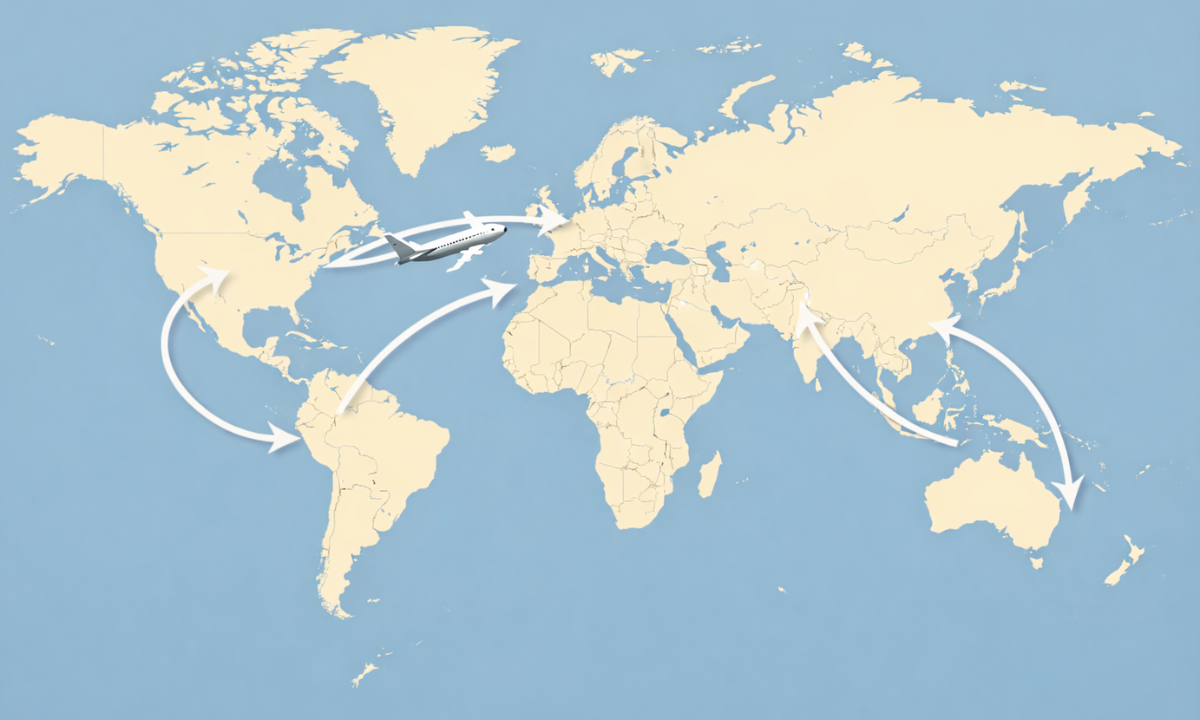
Funeral repatriation refers to the repatriation of deceased individuals from one country to another for final rites. It is a sensitive process that combines legal, logistical, and emotional elements.
In India, the dead body repatriation process is governed by both international aviation laws and local regulations. Therefore, families must comply with multiple layers of documentation before transport is approved.
Additionally, the process involves coordination between hospitals, local authorities, airlines, and consulates to ensure every legal requirement is met without delay. It also requires strict adherence to health and safety protocols, especially for international transfers. Because of these complexities, even a small error in paperwork or compliance can lead to significant delays, making professional guidance extremely valuable.
Why Legal Compliance is Critical

Legal compliance is not just a formality; it is a necessity. Without proper documentation, authorities can deny transportation or delay the process significantly.
According to global estimates, over 60% of repatriation delays occur due to incomplete or incorrect paperwork. This highlights why understanding legal requirements is essential during such critical times.
Moreover, different countries have specific legal protocols, and failing to meet even one requirement can result in the body being held at transit points or airports. This not only increases costs but also adds emotional distress for grieving families. Ensuring full compliance helps maintain dignity, avoids legal complications, and ensures a smooth and timely repatriation process.
Essential Documents Required for Repatriation
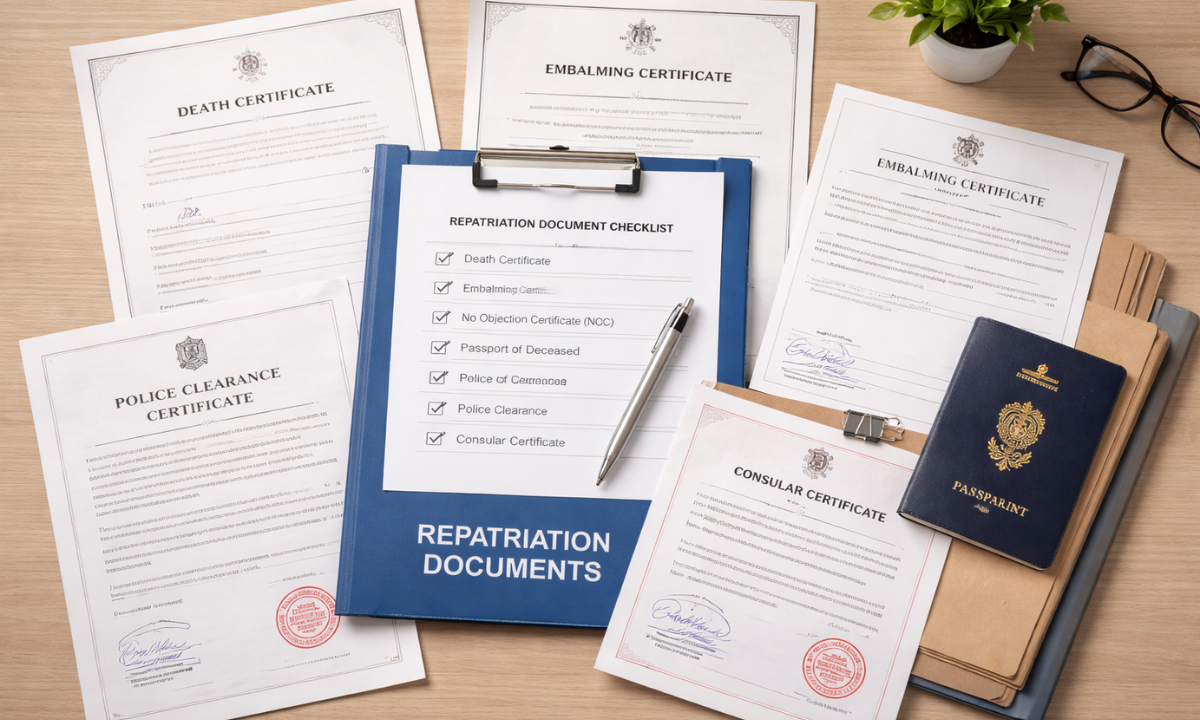
Here’s a quick overview of the documents needed for dead body repatriation services in India:
| Document | Purpose |
|---|---|
| Death Certificate | Official confirmation of death |
| Embalming Certificate | Confirms body preservation |
| No Objection Certificate (NOC) | Issued by local authorities |
| Passport of the deceased | Identity verification |
| Police Clearance | Required in case of unnatural death |
| Consular Certificate | Issued by the Indian embassy |
Each document must be accurate and verified to avoid complications.
Role of the Indian Embassy
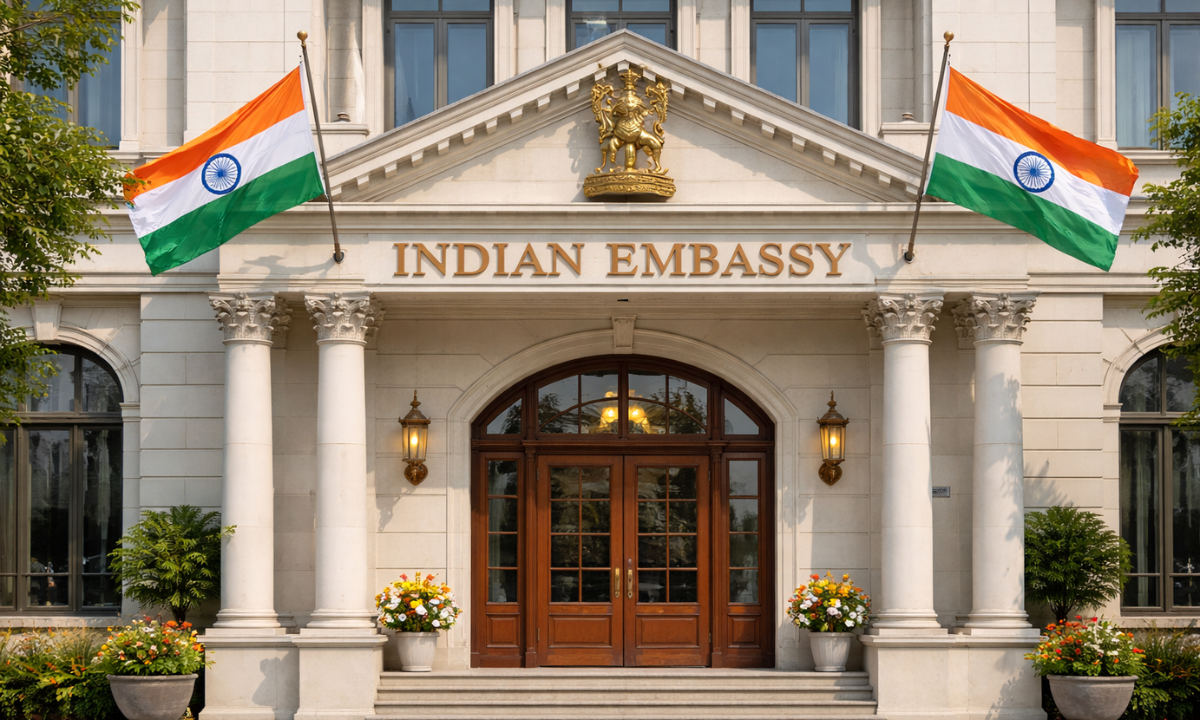
The Indian embassy plays a crucial role in international cases. They act as a bridge between foreign authorities and the deceased’s home country, ensuring that all legal and procedural requirements are properly fulfilled. They also guide families through country-specific regulations and help resolve any documentation issues that may arise during the process.
Their responsibilities include:
- Issuing a consular mortuary certificate
- Verifying documents
- Coordinating with local authorities
- Facilitating clearance for transport
Without embassy approval, international repatriation cannot proceed.
Understanding IATA Rules and Regulations
The IATA rules and regulations (International Air Transport Association) govern the transportation of human remains by air. These rules ensure safety, hygiene, and dignity during transit.
Key requirements include:
- Proper embalming of the body
- Use of hermetically sealed coffins
- Compliance with airline-specific guidelines
- Accurate documentation for cargo clearance
Airlines strictly follow these protocols, making compliance non-negotiable.
Coffin Requirements You Must Know
One of the most overlooked yet critical aspects is coffin requirements. These are not just about appearance but about safety and legality.
Standard requirements include:
- Airtight, zinc-lined coffin
- Strong outer wooden casing
- Proper sealing to prevent leakage
- Labelling with identification details
Failure to meet these requirements can lead to rejection by airlines.
Legal Steps for Repatriation from the USA to India
When it comes to repatriation services from the USA to India, the process involves additional layers of compliance.
Step-by-Step Process:
- Obtain a certified death certificate in the USA
- Complete embalming as per international standards
- Secure clearance from local health authorities
- Get documents verified by the Indian embassy
- Arrange air transport following IATA guidelines
- Complete customs clearance in India
This process can take anywhere between 3 and 7 days, depending on documentation accuracy.
Challenges Families Often Face
Even with clear guidelines, families encounter several challenges:
- Delays in documentation
- Language barriers in foreign countries
- Legal complexities in unnatural deaths
- Coordination between multiple authorities
- Emotional stress during the process
This is where international repatriation help becomes invaluable.
How Professional Repatriation Services Help
Professional repatriation services simplify the entire process by managing legal and logistical aspects. They bring experience, established networks, and a deep understanding of international protocols, which helps avoid delays and ensures everything is handled with dignity and care.
They typically offer:
- End-to-end documentation support
- Coordination with embassies and airlines
- Compliance with international regulations
- Transportation and final delivery
Also they assist families with real-time updates and handle unexpected challenges such as last-minute clearance issues or flight changes. This allows families to focus on grieving and healing instead of paperwork.
Tips to Ensure a Smooth Repatriation Process
Here are some practical tips to avoid delays:
- Double-check all documents before submission
- Work with experienced service providers
- Keep multiple copies of important papers
- Stay in constant communication with authorities
- Understand country-specific legal requirements
Being proactive can save both time and emotional distress.
Final Thoughts
Navigating the legal considerations for funeral repatriation can feel overwhelming, especially during a time of grief. However, understanding the process, documentation, and international laws can make a significant difference in ensuring a dignified and timely return of your loved one.
Choosing reliable repatriation services in India can ease the burden by handling every legal and logistical detail with care and professionalism. Services like Beleiv Repatriation Services stand out by offering compassionate support combined with expertise, ensuring families receive the guidance they need when it matters most.
FAQs
1. How long does funeral repatriation take?
Funeral repatriation typically takes 3–10 days, depending on how quickly documents are arranged and approved. Factors such as the country of origin, cause of death, embassy clearance, and airline availability can impact timelines. Delays often occur due to incomplete paperwork or public holidays. Working with professional services can significantly speed up the process and ensure smoother coordination between authorities and airlines.
2. Is embalming mandatory?
Yes, embalming is mandatory for international transportation under IATA rules and regulations. It ensures the body is preserved and safe for transit, especially during long flights. Authorities require an embalming certificate as proof before approving shipment. Proper embalming also helps maintain hygiene standards and prevents any health risks, making it an essential step in the legal and logistical process of repatriation.
3. Can families handle the process themselves?
While families can handle the process themselves, it is often highly complex and emotionally overwhelming. It involves coordinating with multiple authorities, including hospitals, police, embassies, and airlines, along with managing extensive documentation. Any small error can cause delays or legal complications. Therefore, most families prefer professional repatriation services to ensure accuracy, efficiency, and peace of mind during such a difficult time.
4. What is the cost of repatriation?
The cost of funeral repatriation usually ranges between ₹2 lakhs and ₹10 lakhs, depending on several factors. These include the country of origin, airline charges, embalming, coffin requirements, documentation, and additional services. Emergency cases or long-distance transfers may increase costs further. Choosing experienced service providers can help optimize expenses while ensuring all legal and procedural requirements are properly fulfilled.