

Have you ever imagined receiving a call that instantly changes everything, leaving you confused, heartbroken, and unsure of what to do next? When a sudden death occurs overseas, the emotional shock is often compounded by complex legal procedures, unfamiliar regulations, and urgent decisions that must be made quickly.
In such distressing times, understanding how to coordinate with authorities, manage documentation, and access repatriation services in India can make a significant difference in reducing stress and confusion.
So, how can families in India take the right steps at the right time to ensure a smooth, respectful, and timely process? Let’s understand.
Key Points at a Glance
- Immediate actions to take after a sudden death abroad
- Importance of timely coordination with the Indian embassy
- Complete list of documents required for repatriation
- Step-by-step process of the repatriation of mortal remains
- When and why to choose repatriation of ashes
- Country-specific insights like repatriation services from the USA to India
- Common mistakes and practical tips to avoid delays
Understanding the First Critical Steps

The first few hours after receiving the news are often filled with disbelief and emotional distress. However, taking structured and timely action during this phase is essential to avoid delays in legal and logistical processes.
Start by confirming the news through reliable sources such as hospital authorities, local police, or a verified contact present in that country. Once confirmed, immediately contact repatriation services to get expert guidance on the next steps, documentation, and timelines, as each country may have slightly different legal requirements.
Additionally, inform close family members and gather all essential details such as the deceased’s passport, visa status, and location. Keeping this information ready helps speed up communication with authorities and ensures a smoother process ahead.
Role of the Indian Embassy
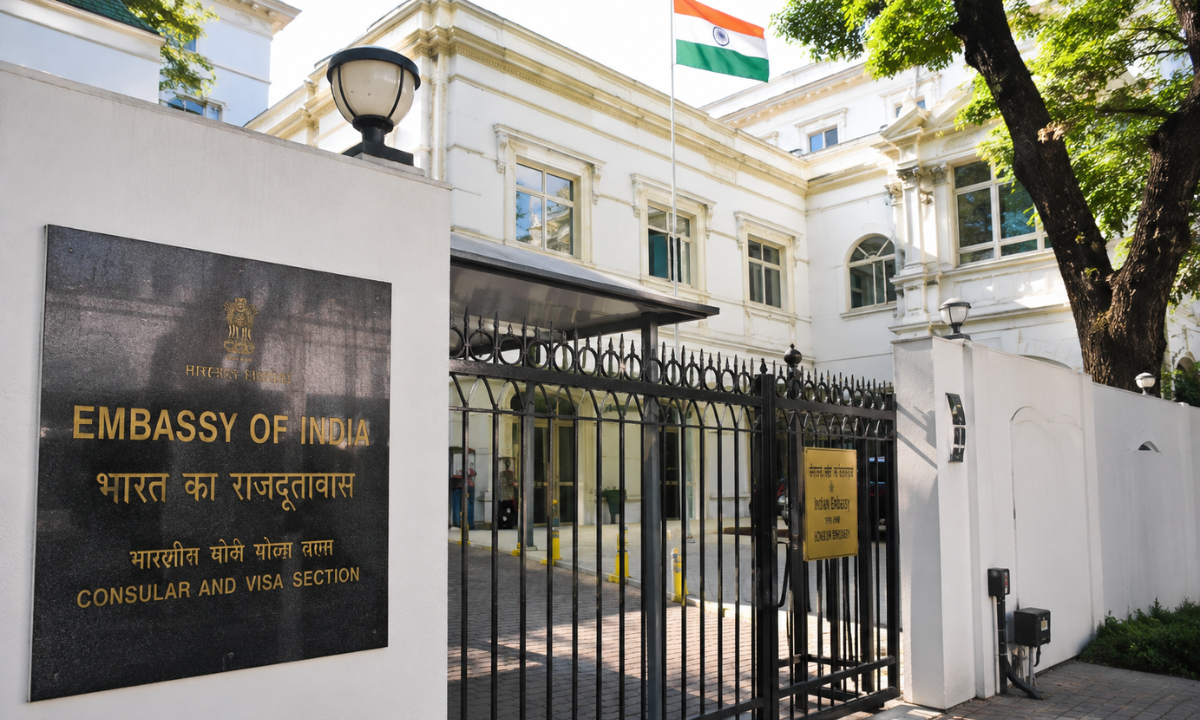
The Indian embassy is one of the most important support systems for families dealing with a death abroad. They provide both administrative assistance and guidance, helping families navigate unfamiliar procedures in a foreign country.
Embassy officials coordinate with local authorities, hospitals, and funeral homes to ensure that all legal formalities are completed correctly. They also assist in issuing critical approvals like the No Objection Certificate, which is mandatory for transporting the body or ashes to India.
Moreover, the embassy ensures that all documents comply with both international and Indian regulations. Staying in regular contact with them helps families stay informed, avoid errors, and ensure that the process moves forward without unnecessary delays.
Essential Documents Required
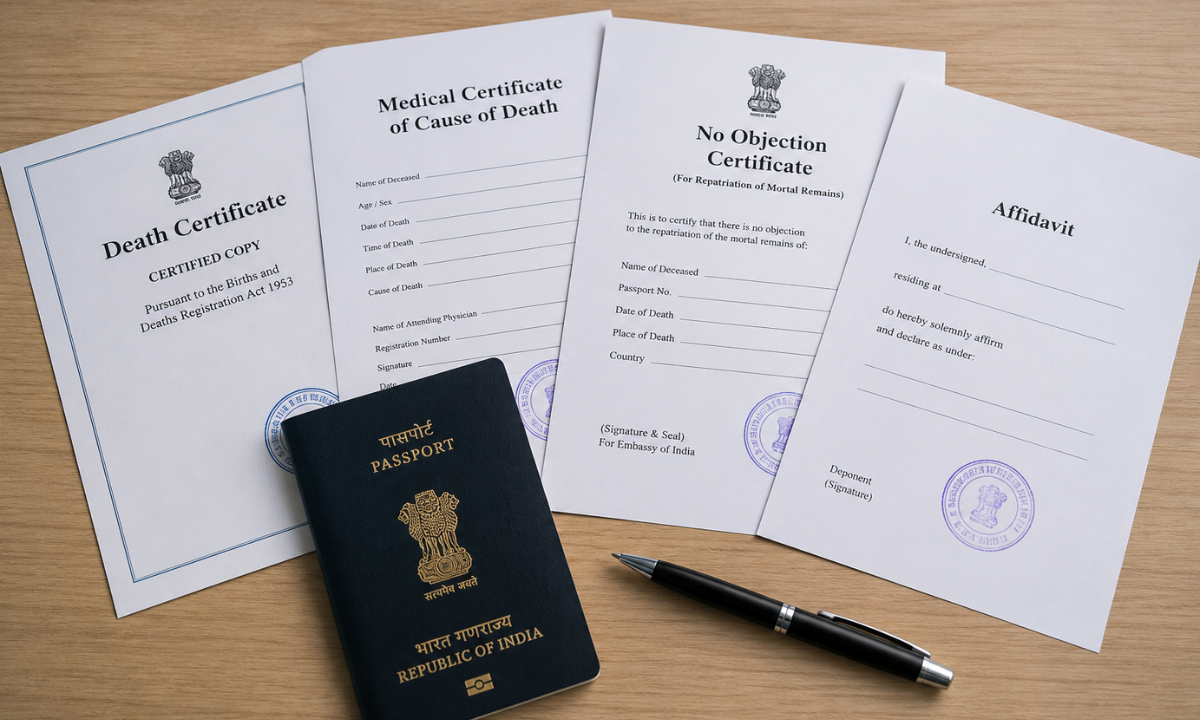
Documentation is the backbone of the entire repatriation process. Even a small error or missing document can lead to delays, increased costs, and additional stress for the family.
Key Documents Checklist
| Document | Purpose |
|---|---|
| Death certificate | Official confirmation of death issued by local authorities |
| Embalming certificate | Confirms that the body is preserved for transport |
| Police report | Required in case of accidental or unexplained death |
| No objection certificate | Approval for transporting remains internationally |
| Cancelled passport | Prevents identity misuse and confirms death |
| Airway bill | Cargo documentation for airline transport |
| ID proof of the deceased | Verification of identity |
Each of these documents must be properly verified and attested by relevant authorities. Working with professionals ensures that paperwork is completed accurately and submitted on time.
Step-by-Step Process of Repatriation
Understanding the repatriation process step-by-step helps families feel more in control during an otherwise overwhelming situation. While procedures may vary slightly by country, the overall framework remains similar.
1. Registration of Death
The death is officially registered with local authorities, and a death certificate is issued. This document serves as the foundation for all further legal processes and must be obtained promptly.
2. Police Clearance (if required)
If the death is due to an accident, suicide, or unknown causes, a Police report is required. This may involve investigations, which can extend the timeline slightly.
3. Embalming and Preparation
The body is preserved using internationally approved embalming techniques. An embalming certificate is issued to confirm that the remains are safe for transportation.
4. Documentation and Approvals
Authorities issue a No objection certificate, and the deceased’s passport is officially marked as a cancelled passport. These steps are crucial to comply with immigration and legal norms.
5. Transportation Arrangements
Air cargo is booked for the repatriation of mortal remains, ensuring safe and respectful transit. Specialised packaging and handling procedures are followed to meet airline and international standards.
6. Arrival and Final Rites
Upon arrival in India, the remains are handed over to the family. Final rites can then be conducted according to cultural and religious customs, offering closure to loved ones.
Option of Repatriation of Ashes
In certain situations, families may choose the repatriation of ashes instead of transporting the body. This option is often considered when time, cost, or logistical challenges are significant factors.
Transporting ashes is simpler, as it involves fewer formalities and less documentation. However, permits from local authorities and airline approvals are still required, and the ashes must be carried in secure, approved containers.
This option allows families to perform last rites in India while minimising delays and expenses, making it a practical alternative in many cases.
Repatriation Services from the USA to India
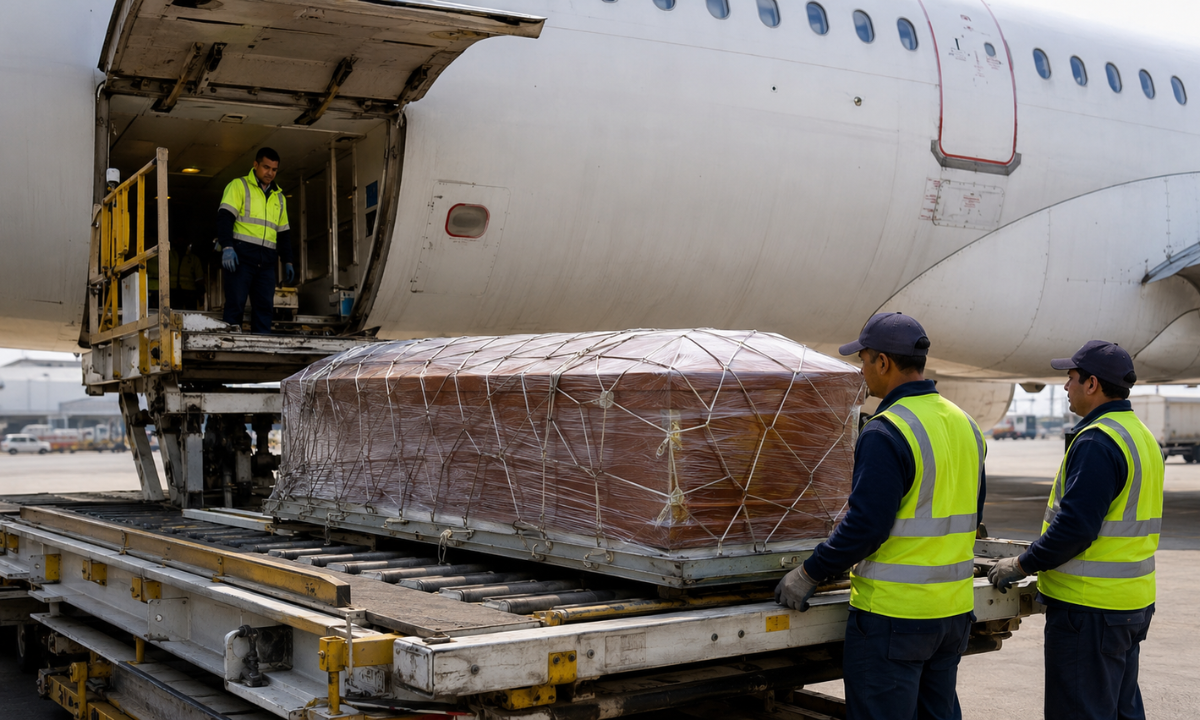
Handling repatriation services from the USA to India involves additional layers of compliance due to strict health and safety regulations in the United States. Coordination with funeral homes, medical authorities, and airlines is essential for smooth execution.
The process typically includes obtaining multiple clearances, ensuring proper embalming standards, and verifying all documents through both U.S. authorities and the Indian embassy. On average, the entire process can take 5–10 days, depending on the case and documentation readiness.
Professional assistance becomes especially valuable in such cases, as they are familiar with country-specific requirements and can expedite the process efficiently.
Common Mistakes Families Should Avoid
During emotionally overwhelming situations, it’s easy to make mistakes that can delay the process. Being aware of these pitfalls can help families stay prepared.
- Delaying communication with authorities or service providers
- Submitting incomplete or incorrect documentation
- Not understanding country-specific legal requirements
- Trying to manage the process without professional help
Avoiding these errors can save both time and money while ensuring a smoother experience.
Practical Tips to Handle the Situation
Here are some practical and actionable tips that can make a significant difference:
- Stay organised: Maintain a checklist of documents and contacts
- Act quickly: Delays can increase complications and costs
- Keep backups: Store digital and physical copies of all documents
- Communicate regularly: Stay in touch with embassy officials and service providers
- Plan finances: Costs can range between ₹5 and ₹15 lakhs, depending on the country and services required
Being proactive and informed can help families navigate the process with greater confidence and less stress.
Why Professional Assistance Matters
Managing international repatriation during a time of grief is extremely challenging. This is where repatriation services in India play a crucial role in simplifying the entire process.
They handle everything from documentation and approvals to logistics and coordination with airlines. Their experience ensures that all procedures are completed correctly, reducing the risk of delays or complications.
Most importantly, professional services provide emotional reassurance, allowing families to focus on mourning and honouring their loved one rather than dealing with complex formalities.
Final Thoughts
Dealing with the loss of a loved one abroad is an emotionally and logistically overwhelming experience. However, with the right knowledge, timely action, and support from repatriation services in India, families can navigate the process with greater ease and clarity.
Trusted providers like Beleiv Repatriation Services ensure that every step, from documentation to transportation, is handled with professionalism, dignity, and compassion, helping families focus on honouring their loved one during such difficult times.
Frequently Asked Questions
1. How long does repatriation take?
Repatriation usually takes between 3 and 10 days, but the exact timeline depends on multiple factors such as the country where the death occurred, the cause of death, and how quickly documents are processed. Delays can happen if legal clearances, embassy approvals, or paperwork are incomplete. Working with experienced professionals helps speed up the process by ensuring all formalities are handled efficiently and without errors.
2. Is embalming mandatory?
Yes, embalming is mandatory for international transportation of mortal remains. It is a preservation process that prevents decomposition and ensures the body remains safe and hygienic during transit. Airlines and international health regulations require an embalming certificate before approving transport. This step also ensures dignity and safety, especially when the journey involves long distances or multiple transit points between countries.
3. Can families travel with the body?
Families cannot travel with the body in the passenger cabin, as it is transported separately as cargo under strict airline regulations. However, family members can book seats on the same flight to accompany the remains. This allows them to be present upon arrival in India and coordinate final rites. Airlines and repatriation service providers usually assist in aligning travel arrangements for both the family and the deceased.
4. What if documents are missing?
Missing documents can significantly delay the repatriation process, as each certificate and approval is legally required for transportation. Authorities may refuse clearance until all paperwork is complete, causing emotional and logistical stress for the family. In such cases, professional repatriation services play a crucial role by coordinating with local authorities, embassies, and hospitals to quickly retrieve or reissue the necessary documents and avoid prolonged delays.