

Have you ever wondered what happens behind the scenes when a loved one passes away abroad and needs to be brought back home with dignity and respect? During such emotionally overwhelming moments, families are often forced to make urgent decisions while coping with grief, legal formalities, and unfamiliar international procedures. Understanding the embalming process and coffin sealing requirements can provide clarity and peace of mind during an otherwise painful experience.
When families choose professional repatriation services in India, they receive assistance with documentation, transportation approvals, and coordination with hospitals, embassies, airlines, and local authorities. These procedures are not simply technical formalities; they are essential steps that ensure the deceased can safely travel across international borders while meeting health and aviation regulations.
What many people do not realise is that even a small delay in embalming, coffin sealing, or paperwork can affect the entire repatriation timeline, making it crucial to understand how these processes work from start to finish.
Key Points You Should Know
- Embalming preserves the body and allows safe long-distance transportation.
- Coffin sealing is legally required for most international transfers.
- Airlines follow strict global safety and sanitation guidelines.
- The embalming process of a dead body involves certified procedures and documentation.
- Different countries have unique repatriation restrictions and customs regulations.
- Professional repatriation providers help families avoid delays and legal complications.
- Repatriation Services from the USA to India often require embassy approvals, transit clearances, and airline coordination.
- Timely documentation is one of the most important factors in successful international repatriation.
Why Embalming Is Necessary for International Repatriation
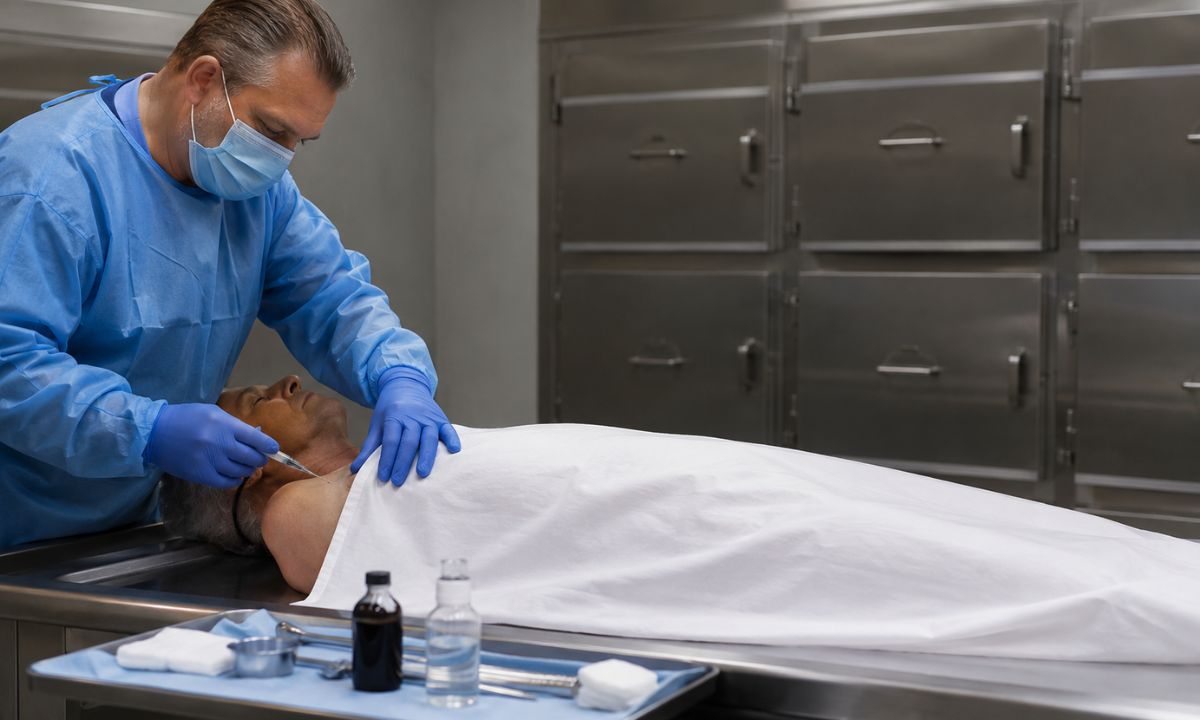
When a death occurs overseas, families usually wish to bring their loved one back home for final rites, religious ceremonies, and emotional closure. However, transporting human remains internationally is a highly regulated process governed by public health rules, airline safety standards, and immigration laws.
This is where embalming becomes essential. The process temporarily preserves the body, slows natural decomposition, and ensures hygienic transportation over long distances. Since international flights may involve layovers, delays, climate variations, and customs checks, preservation becomes critical for maintaining dignity and safety throughout the journey.
In most countries, airlines will not accept human remains for transport unless embalming has been completed by a licensed professional. Authorities often require an official embalming certificate before issuing transportation clearance. Without proper embalming documentation, the repatriation process can face serious delays or even rejection.
What Is the Embalming Process of a Dead Body?

The embalming process of a dead body is a scientific and professional preservation procedure carried out by trained embalmers or mortuary specialists. The purpose is to temporarily preserve the body, maintain a natural appearance, and prepare it for safe transportation and viewing if required by the family.
The process is conducted in controlled sanitary conditions using specialised equipment and preservation chemicals. Although the exact procedure may vary depending on local regulations and the condition of the body, the overall objective remains the same: safe and respectful preservation.
Main Steps in the Embalming Process
| Step | Procedure | Purpose |
|---|---|---|
| 1 | Sanitisation of the body | Maintains hygiene and safety |
| 2 | Removal of bodily fluids | Prevents rapid decomposition |
| 3 | Injection of embalming chemicals | Preserves tissues temporarily |
| 4 | Facial and body restoration | Maintains natural appearance |
| 5 | Dressing and preparation | Ensures respectful presentation |
| 6 | Placement in a coffin | Prepares for transportation |
The entire procedure generally takes between 2 and 4 hours, although this may vary depending on medical conditions, legal investigations, or transportation timelines. In some cases, additional restorative work may be needed if the deceased suffered trauma or illness before passing away.
Chemicals Used During Embalming
Professional embalmers use carefully formulated chemical solutions to disinfect and preserve the body. These chemicals help delay decomposition while maintaining tissue condition during transit.
Some commonly used preservation agents include:
- Formaldehyde-based compounds
- Methanol solutions
- Water-conditioning agents
- Disinfectants and dyes
- Moisturising agents for tissue preservation
These chemicals are administered with precision and according to health regulations. Certified embalmers follow strict safety protocols because improper chemical handling can compromise both preservation quality and transportation approval.
How Coffin Sealing Works During Repatriation
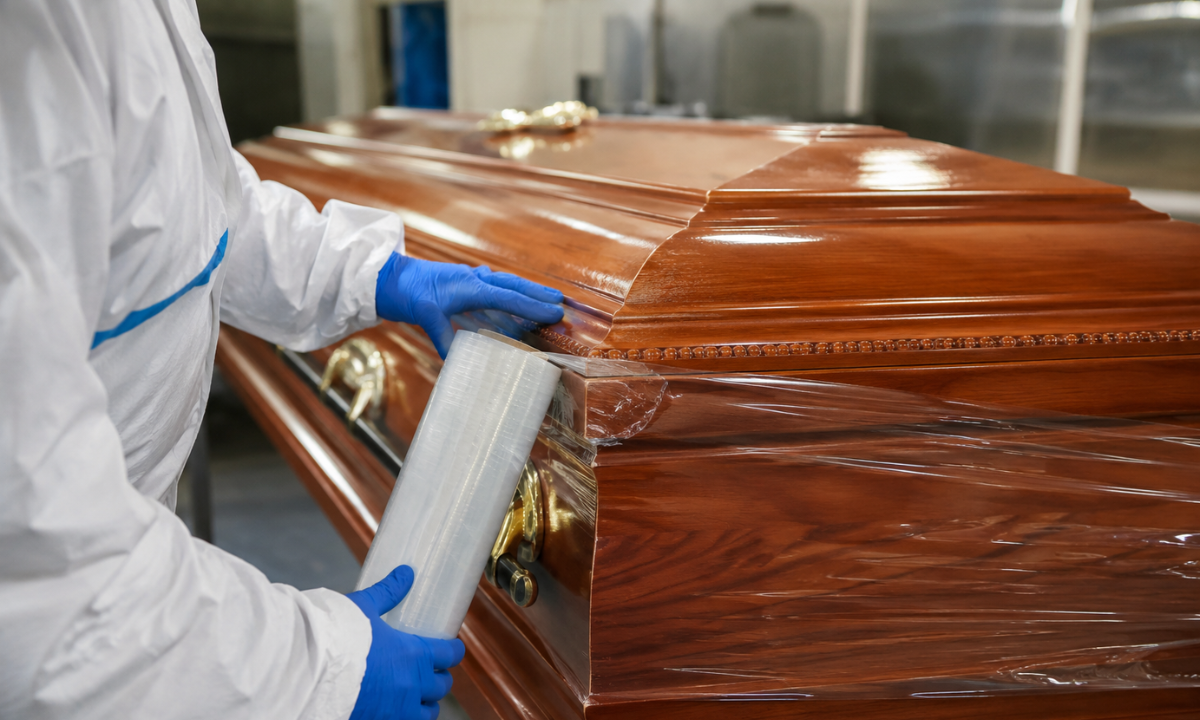
After embalming is completed, the next major step is coffin sealing, which is mandatory for most international transfers. Coffin sealing ensures that the casket remains airtight, leak-proof, and compliant with international transportation laws.
This process is especially important for air transportation because airlines must follow strict health and sanitation guidelines. Proper sealing prevents contamination risks and ensures that the remains are transported respectfully and securely.
What Happens During Coffin Sealing?
The coffin is prepared with:
- Zinc or metal lining
- Protective absorbent materials
- Leak-proof sealing mechanisms
- External wooden casing for added protection
Once the body is placed inside:
- The coffin is securely closed.
- The inner metal lining is soldered shut.
- Officials inspect and verify the seal.
- Transportation labels and legal documents are attached.
- Final clearance is issued for cargo transportation.
In many countries, government-approved authorities or mortuary officials supervise the sealing procedure to ensure international compliance.
Why Airlines Require Coffin Sealing
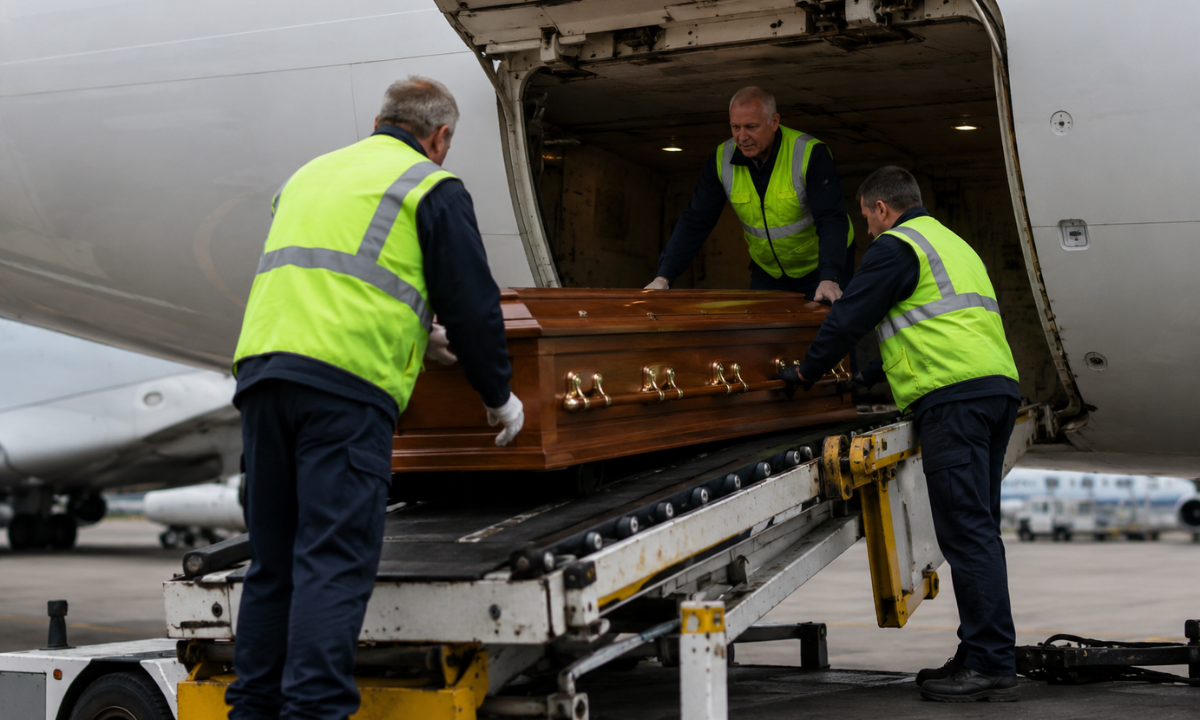
Airlines transport human remains under highly regulated cargo procedures designed to maintain public safety and hygiene standards. Since the remains travel in cargo compartments for extended durations, secure packaging becomes mandatory.
Coffin sealing helps:
- Prevent fluid leakage during transit
- Reduce health and sanitation risks
- Maintain cargo compartment hygiene
- Avoid odour contamination
- Protect the dignity of the deceased
- Meet the IATA transportation regulations
Airlines that fail to comply with these guidelines may face penalties or operational risks. As a result, they carefully inspect all documentation before accepting the shipment.
Important Repatriation Restrictions Families Should Know
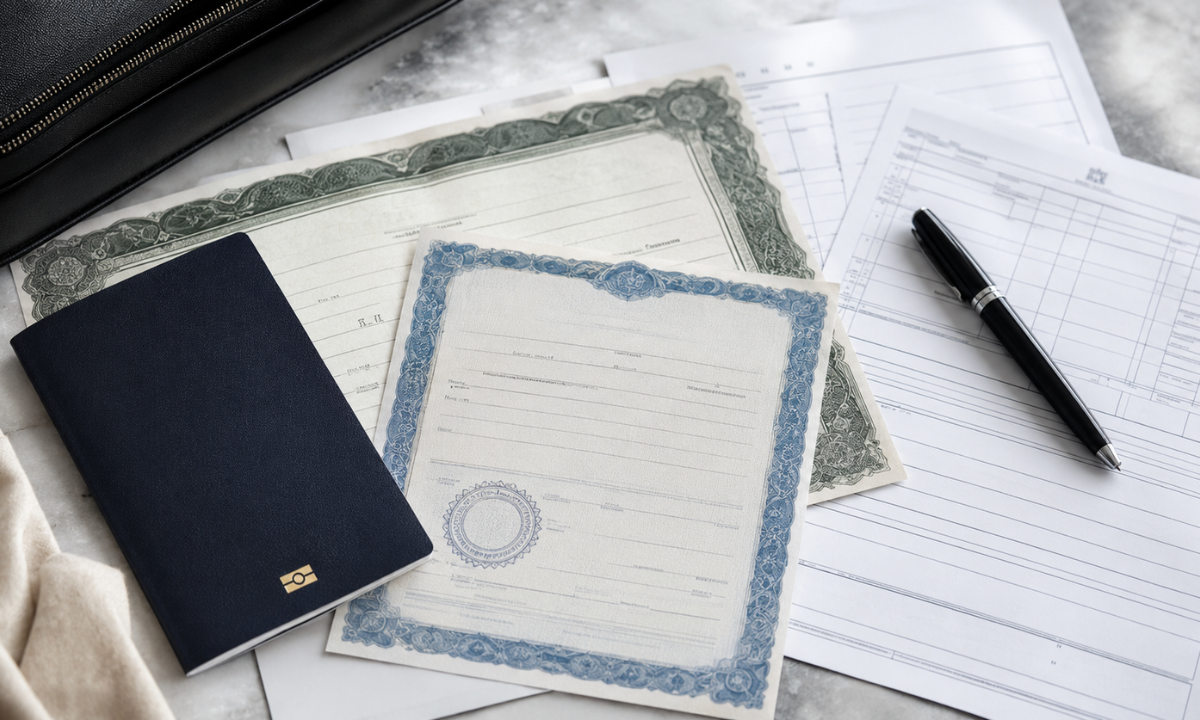
Every country follows different repatriation restrictions, and these rules may change due to public health emergencies, aviation regulations, or government policies. Families are often surprised to discover how many approvals and documents are required before transportation can begin.
Some countries require additional police investigations, while others demand medical clearances or transit permissions. During infectious disease outbreaks, restrictions can become even stricter.
Documentation Requirements
Common restrictions include:
- Official death certificate
- Embalming certificate
- Coffin sealing certificate
- Cancelled passport of the deceased
- Police clearance certificate (if applicable)
- No objection certificate from the authorities
Health Regulations
Certain countries require:
- Special handling procedures for infectious diseases
- Additional sanitisation certificates
- Restrictions on transporting unembalmed remains
Airline-Specific Rules
Airlines may:
- Restrict coffin dimensions
- Require specific packaging standards
- Limit cargo bookings during peak seasons
- Deny transportation without proper certifications
Because regulations differ from country to country, professional guidance becomes extremely valuable during the repatriation process.
How International Repatriation Is Co-ordinated

The process of international repatriation involves coordination between several departments and organisations, often across multiple countries and time zones. Families already coping with grief may find these procedures emotionally and mentally exhausting.
The process usually begins with hospital documentation and death registration. After that, mortuary services, embalming arrangements, embassy approvals, airline bookings, and customs clearances must all be coordinated within limited timelines.
Key organisations involved include:
- Hospitals and medical authorities
- Licensed mortuaries
- Embassies and consulates
- Airlines and cargo departments
- Local police authorities
- Customs officials
- Funeral and repatriation providers
Professional repatriation agencies manage communication between these departments to reduce confusion and ensure smooth transportation.
Repatriation Services from the USA to India: What Families Should Expect
The demand for repatriation services from the USA to India has increased steadily as more Indian families live, work, and settle abroad. Unfortunately, when deaths occur overseas, families must deal with unfamiliar laws and procedures in addition to emotional trauma.
The repatriation process from the USA usually begins with obtaining a death certificate and medical documentation from local authorities. The body is then transferred to a licensed funeral home for embalming and coffin sealing before embassy approvals are requested.
| Process Stage | Estimated Timeline |
|---|---|
| Documentation collection | 1–3 days |
| Embalming and coffin sealing | Same day or next day |
| Embassy clearance | 1–2 days |
| Airline booking and cargo approval | 1–3 days |
| Arrival and customs clearance in India | A few hours to 1 day |
The overall timeline generally ranges between 3 and 7 days, although weekends, public holidays, or incomplete paperwork can extend the process further.
Challenges Families Commonly Face
Families managing overseas deaths often experience severe emotional stress while also handling complicated administrative tasks. Since regulations differ across countries, even simple misunderstandings can create major delays.
Common challenges include:
- Language and communication barriers
- Delayed or missing documentation
- Unexpected transportation expenses
- Different legal systems
- Flight cancellations or cargo delays
- Embassy approval complications
- Limited knowledge of international procedures
These challenges become even harder when families attempt to coordinate everything without professional assistance.
Tips to Simplify the Repatriation Process
1. Choose Experienced Professionals
Always work with licensed and experienced repatriation specialists who understand international transportation laws and documentation procedures.
2. Verify Documentation Early
Ensure all certificates and approvals are collected quickly to avoid unnecessary delays later in the process.
3. Understand Airline Requirements
Different airlines follow different cargo policies, coffin specifications, and transit regulations.
4. Stay Connected With the Embassy
Embassies play a critical role in issuing approvals and assisting families with legal formalities.
5. Keep Multiple Copies of Documents
Both digital and physical copies of certificates can help resolve issues quickly during customs checks or transit clearances.
Final Thoughts
Losing a loved one abroad is one of the most emotionally difficult situations a family can experience. During such painful moments, understanding how embalming and coffin sealing work can help reduce confusion and allow families to make informed decisions with greater confidence.
From legal documentation and health regulations to airline approvals and customs procedures, every step of the repatriation process requires careful coordination and attention to detail. Reliable repatriation services in India provide essential support by handling these responsibilities professionally and compassionately.
Experienced providers like Beleiv Repatriation Services help families navigate complex international procedures while ensuring the deceased is transported safely, respectfully, and without unnecessary delays.
Frequently Asked Questions
1. Is embalming mandatory for international transportation?
In most international repatriation cases, embalming is mandatory because airlines and destination countries follow strict health and safety regulations for transporting human remains. The embalming process helps preserve the body during long-distance travel and prevents decomposition during transit delays or layovers.
Many countries also require an official embalming certificate before granting transport clearance. Without embalming, airlines may refuse cargo acceptance, causing delays in the repatriation process.
2. How long does embalming preserve the body?
The preservation period after embalming depends on factors such as climate conditions, transportation duration, and the chemicals used during the procedure. In general, embalming can preserve the body for several days to a few weeks, which is usually sufficient for international transportation and funeral arrangements. Proper refrigeration and coffin sealing can further help maintain the condition of the body until the final rites are completed by the family.
3. Is coffin sealing compulsory?
Yes, coffin sealing is compulsory in most international transportation cases because airlines and health authorities require leak-proof and secure handling of human remains.
A hermetically sealed coffin helps prevent leakage, contamination, and odour during air transport. The coffin is typically lined with zinc or metal and sealed under official supervision. Without proper coffin sealing certification, many airlines and countries may deny transportation approval for international repatriation.
4. Can families travel on the same flight?
Yes, families are generally allowed to travel on the same flight as the deceased during international repatriation. However, the mortal remains are transported separately in the aircraft’s cargo compartment under specialised handling procedures.
Airlines coordinate the shipment according to cargo regulations and safety standards. Many families prefer travelling on the same flight for emotional reasons and to complete arrival formalities together upon reaching the destination country.
5. Who issues the embalming certificate?
An embalming certificate is issued by a licensed embalmer or an authorised mortuary facility after the embalming procedure has been completed. This document confirms that the body has been professionally preserved according to health and transportation regulations. The certificate usually includes details such as the deceased’s name, date of embalming, chemicals used, and embalmer’s credentials. Airlines, embassies, and customs authorities often require this certificate for international transportation approval.