

Have you ever wondered how families manage official formalities after losing a loved one in another country, especially while coping with grief, confusion, and emotional stress? During such painful moments, understanding death registration procedures becomes extremely important because every country follows different laws, timelines, and documentation systems. Families depending on repatriation services in India often discovered that even a small delay in paperwork can affect funeral arrangements, transportation of mortal remains, insurance claims, and legal approvals.
What makes the situation even more challenging is that some countries have highly advanced digital systems, while others still rely heavily on manual paperwork and local approvals. From embassy coordination to the issuance of certificates, every step can feel overwhelming for grieving families who are unfamiliar with international legal procedures. Understanding how different countries handle death registration can help families stay informed, prepared, and emotionally stronger during difficult situations.
As global travel, overseas employment, and international migration continue to rise, cross-border death cases are becoming increasingly common. Yet, many people are unaware of how deeply regional disparities, healthcare systems, and local laws can affect the registration process. The differences between countries may surprise you, and knowing them in advance could save families from unexpected delays, financial stress, and legal complications.
Key Points at a Glance
- Death registration laws differ significantly across countries and regions.
- Timelines for reporting deaths can range from 24 hours to several weeks.
- Certification of cause of death is legally mandatory in most nations.
- Urban and rural areas often follow different administrative systems.
- Digital registration systems are improving efficiency worldwide.
- Missing paperwork and legal barriers can delay international transportation.
- The issuance of a certificate is essential for insurance, inheritance, and repatriation.
- Many countries are adopting global standards to improve transparency.
- Professional International Repatriation Help can simplify stressful procedures for families.
Why Death Registration Matters Worldwide
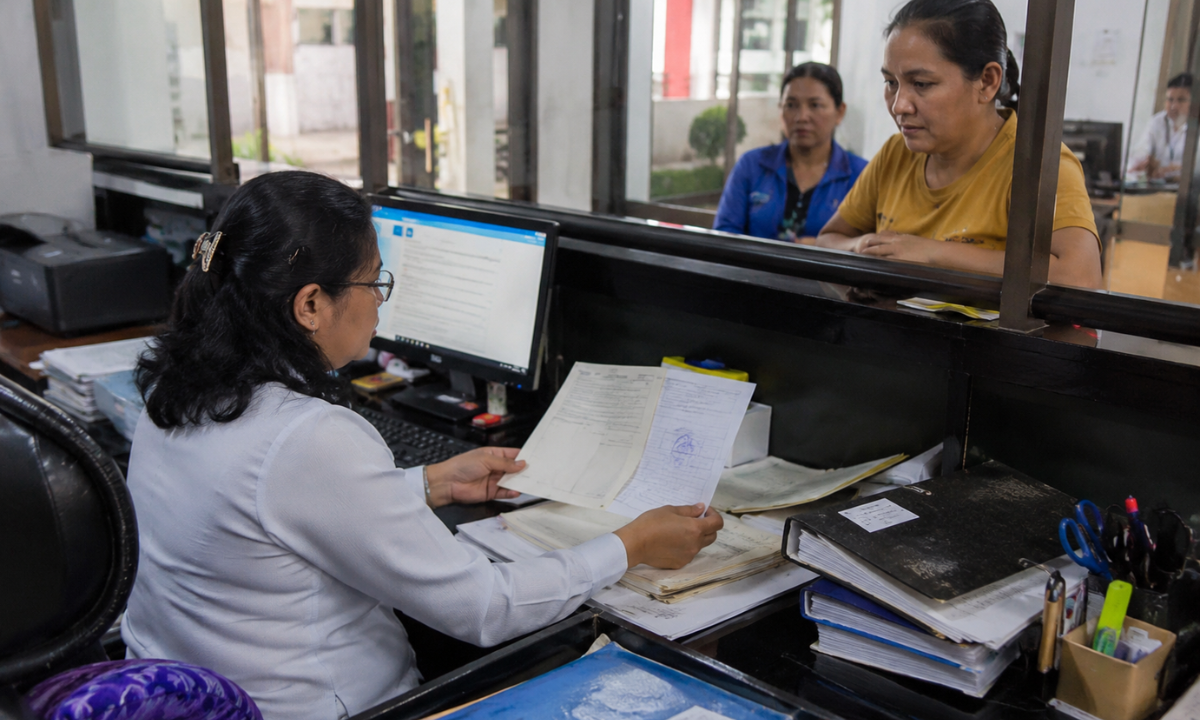
Death registration is much more than a government formality. It is the official legal acknowledgement of a person’s death and forms the foundation for several important administrative and legal processes. Without proper registration, families may struggle to access bank accounts, transfer property ownership, settle insurance claims, or even conduct funeral and burial procedures legally.
In many countries, registered death records also help governments track public health trends, monitor disease outbreaks, and improve healthcare planning. According to the World Health Organisation, millions of deaths worldwide still go unregistered every year, especially in low-income and rural regions. This lack of proper data affects both families and national healthcare systems.
For families dealing with international loss, registration becomes even more critical because authorities usually require official certificates before allowing transportation of human remains across borders. Delays in documentation can create emotional distress, financial burdens, and prolonged waiting periods during already heartbreaking situations.
Problems Families May Face Without Proper Registration
- Delayed funeral or cremation arrangements
- Difficulties in inheritance and property transfer
- Rejected insurance claims
- Problems obtaining embassy approvals
- Legal complications during repatriation
- Delays in closing bank or financial accounts
How Developed Countries Handle Death Registration
Many developed nations have modernised their systems to make death registration more efficient and transparent. Hospitals, funeral homes, healthcare providers, and government agencies often work together through integrated digital systems that reduce paperwork and speed up approvals. However, despite technological advancements, legal requirements still differ from one country to another.
1. United States

In the United States, death registration procedures are primarily managed at the state level, which means rules can vary depending on where the death occurs. Most hospitals and funeral homes use electronic systems to submit records directly to local health departments.
Once a death occurs, a licensed medical professional must confirm and document the cause of death. The funeral director then collects personal details, completes legal forms, and files them with the state authority responsible for vital records.
Typical Registration Process in the United States
- Medical confirmation of death
- Certification of the cause of death by a doctor or coroner
- Submission of forms by the funeral director
- Verification by local or state authorities
- Official death certificate issued to family members
While the system is generally efficient, regional disparities still exist because every state follows slightly different laws, timelines, and processing methods. In some states, families receive certificates within days, while in others the process may take several weeks.
2. United Kingdom

The United Kingdom follows a structured and centralised process designed to ensure accuracy and legal compliance. Deaths are usually required to be registered within five days, although investigations or coroner reviews may extend the timeline.
A doctor first issues a medical certificate explaining the cause of death. The family then schedules an appointment at a local registry office, where personal and medical details are officially recorded. If the death appears suspicious or unexplained, the case may be referred to a coroner for further examination.
Key Features of the UK System
- Strong coordination between hospitals and registry offices
- Digital documentation systems in most regions
- Mandatory reporting timelines
- Additional investigations for sudden or unexplained deaths
- Fast access to certified copies for legal use
The United Kingdom’s approach reflects strong adherence to global standards, particularly in terms of healthcare reporting and legal documentation.
3. Canada

In Canada, provincial governments manage death registrations, which means procedures can vary across provinces and territories. Funeral homes often play an important role in helping families complete documentation correctly and on time.
Healthcare professionals provide medical confirmation, while funeral directors assist in filing registration forms and obtaining burial permits. Once the process is verified, the government completes the issuance of certificates, which families use for legal and administrative purposes.
Important Documents Required in Canada
| Document | Purpose |
|---|---|
| Medical Certificate | Confirms the death medically |
| Registration Form | Creates an official government record |
| Burial Permit | Authorises a funeral or burial |
| Death Certificate | Used for legal and financial matters |
Although Canada has a reliable healthcare system, processing times can still vary depending on the province, staffing levels, and local administrative procedures.
Death Registration Challenges in Developing Countries
While many developing nations are improving their systems through digital transformation and policy reforms, several challenges still affect the efficiency of death registration. Infrastructure limitations, low public awareness, and a lack of administrative resources often slow down the process.
In some regions, families may not even realise that registration is legally required, especially when deaths occur at home or in remote villages. As a result, countless deaths remain undocumented every year.
1. India

India has made significant progress in strengthening civil registration systems through digitisation and government reforms. Urban cities now offer online applications and quicker approvals, but rural areas still face operational challenges.
Many families experience delays because hospitals, local municipal offices, and police departments may require separate documentation and verification. Language barriers, lack of awareness, and incomplete paperwork can further complicate the process.
Common Challenges in India
- Delayed reporting in rural regions
- Limited access to healthcare facilities
- Manual paperwork in smaller towns
- Lack of awareness about legal timelines
- Errors in names or identification documents
Despite these issues, India continues working toward better compliance with international and global standards for civil registration and public health reporting.
2. African Nations
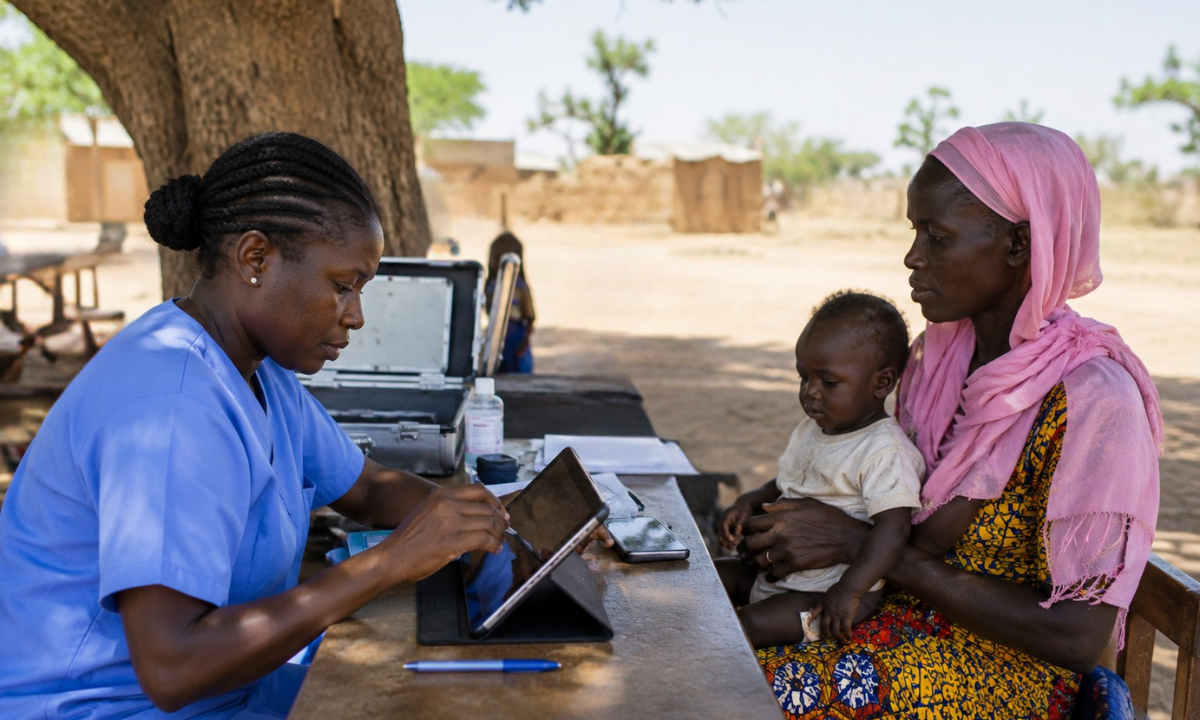
Several countries across Africa continue facing difficulties due to limited healthcare infrastructure, transportation challenges, and administrative shortages. In remote villages, families may need to travel long distances simply to report a death officially.
Cultural traditions can also influence whether deaths are formally registered. In certain communities, traditional burial practices may occur before any legal reporting is completed, creating documentation gaps later on.
Effects of Underreporting
- Inaccurate public health statistics
- Delays in legal settlements
- Difficulty accessing insurance claims
- Challenges during international transportation
- Lack of reliable national records
Governments and international organisations are increasingly investing in mobile registration programmes and digital healthcare systems to improve accessibility.
3. Southeast Asian Countries
Countries like Indonesia and the Philippines often face administrative complexity because procedures differ across provinces and islands. Families may need approvals from hospitals, police authorities, local governments, and embassies simultaneously.
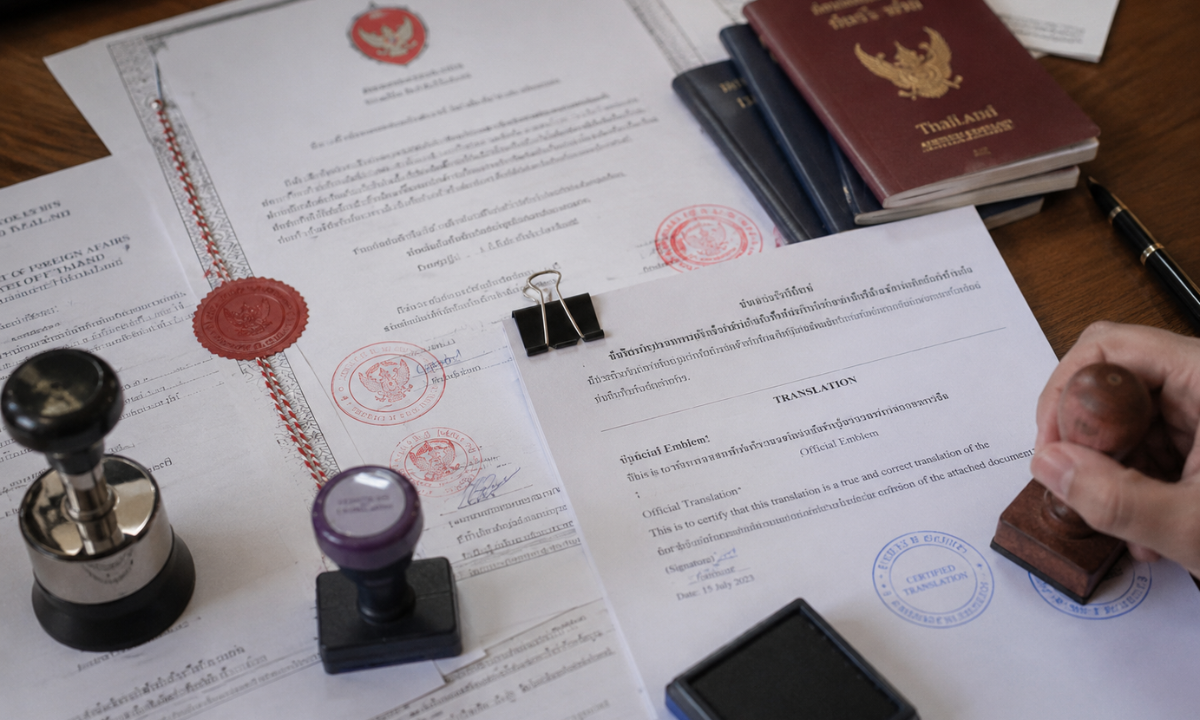
In international death cases, document translation and notarisation frequently become necessary. These additional requirements can create serious legal barriers, particularly when families are unfamiliar with local laws or language systems.
Common Administrative Challenges
- Multiple levels of approvals
- Translation requirements
- Delays in rural islands or provinces
- Inconsistent timelines between regions
- Additional embassy documentation
The Role of Certification of Cause of Death
The Certification of the cause of death is one of the most critical parts of the entire registration process because it officially explains how and why the person passed away. This medical document is required not only for registration but also for insurance, repatriation, and legal investigations.
In cases involving accidents, violence, infectious diseases, or unclear circumstances, authorities may order post-mortem examinations before issuing final certificates. These investigations can sometimes delay transportation and funeral procedures, especially in international cases.
Why This Certification Matters
- Confirms legal cause of death
- Helps public health monitoring
- Supports insurance processing
- Enables international transportation approvals
- Assists police or criminal investigations
Without accurate certification, authorities may refuse to proceed with international transfer permissions or embassy clearances.
How Global Standards Are Improving Systems
International organisations are encouraging countries to modernise civil registration systems and improve data accuracy. These global standards help governments maintain better healthcare records, improve transparency, and ensure faster legal processing.
Digital transformation has become one of the most significant improvements in recent years. Many countries now allow online applications, electronic signatures, and digital verification systems that reduce delays and paperwork errors.
Modern Improvements Include
- Online death registration portals
- Faster verification systems
- Digital medical reporting
- Electronic certificates
- Integrated hospital databases
- Improved international data sharing
Countries with strong digital infrastructure can often complete registrations much faster than nations relying heavily on manual processes.
Regional Disparities That Affect Families
Even within the same country, registration systems can vary dramatically between cities and rural regions. These regional disparities often create confusion and emotional stress for grieving families who expect uniform procedures nationwide.
Urban areas usually benefit from better hospital access, trained officials, and digital systems. Rural regions, however, may struggle with transportation, limited staffing, and outdated paperwork systems.
Urban Areas Typically Offer
- Faster approvals
- Online documentation
- Better hospital coordination
- Easier access to government offices
Rural Areas Often Face
- Limited medical facilities
- Delayed document verification
- Manual registration systems
- Longer travel distances
Such disparities become especially difficult when families need urgent international transportation approvals.
Legal Barriers in International Death Registration
Cross-border deaths involve multiple governments, embassies, airlines, healthcare systems, and legal authorities. Families often encounter major legal barriers if even one required document is incomplete or incorrectly prepared.
International transportation of human remains usually requires:
- Death certificate
- Embalming certificate
- Passport cancellation
- Police clearance
- Embassy authorization
- Air cargo documentation
Missing or incorrectly translated documents can delay repatriation for days or even weeks. This is why professional support becomes extremely valuable during emergencies abroad.
Common International Challenges
| Challenge | Impact |
|---|---|
| Missing certificates | Delayed repatriation |
| Translation errors | Verification problems |
| Different legal systems | Longer approvals |
| Embassy procedures | Additional documentation |
| Health regulations | Transport restrictions |
Importance of International Repatriation Help
When a death occurs overseas, families are usually unfamiliar with local legal systems, cultural practices, and embassy procedures. Reliable international repatriation help can reduce stress by handling documentation, transportation logistics, and communication with authorities.
Professional agencies coordinate with hospitals, embassies, funeral homes, and airlines to ensure compliance with international regulations. They also help families avoid costly mistakes and unnecessary delays during emotionally sensitive situations.
Services Often Provide
- Death registration assistance
- Embassy coordination
- Translation and attestation
- Coffin sealing arrangements
- Air cargo booking
- Local authority clearances
- Transportation logistics
Having experienced professionals manage these tasks allows families to focus on emotional healing instead of complicated paperwork.
Final Thoughts
Losing a loved one abroad is emotionally devastating, and navigating unfamiliar legal procedures can make the experience even more overwhelming. Since every country follows different death registration systems, understanding timelines, documentation requirements, and government approvals is essential for avoiding delays and complications.
Trusted providers offering dead body repatriation services in India can help families manage these sensitive situations with compassion, professionalism, and efficiency. From documentation and embassy coordination to transportation logistics and legal clearances, experienced organisations like Beleiv Repatriation Services provide reliable support when families need it the most. Understanding international procedures today can help families respond more confidently and calmly during life’s most difficult moments.
Frequently Asked Questions
1. Why is death registration important?
Death registration is important because it serves as the official legal proof of a person’s passing. Families need this document for insurance claims, inheritance settlements, bank account closures, funeral arrangements, and government records. In international cases, it is also mandatory to transport mortal remains and obtain embassy approvals during repatriation procedures.
2. How long does the issuance of certificates take?
The timeline for the issuance of a death certificate varies depending on the country, region, and complexity of the case. In straightforward hospital deaths, certificates may be issued within 24 to 72 hours. However, cases involving investigations, post-mortems, or international formalities can take several days or even weeks to complete.
3. Can families handle international registration alone?
Families can handle international death registration independently, but the process is often emotionally exhausting and legally complicated. Different countries have unique rules, language requirements, and embassy procedures that may create confusion. Professional assistance helps families avoid documentation errors, reduce delays, and manage transportation, approvals, and legal formalities more efficiently during difficult times.
4. What documents are commonly required for repatriation?
The required documents usually include the deceased person’s passport, medical records, proof of identity, and an official medical certificate stating the cause of death. In international cases, authorities may also request police clearance, embalming certificates, embassy approvals, and transportation permits. Requirements can vary significantly depending on the country and local regulations involved.
5. How do repatriation services assist families?
Repatriation services support families by managing documentation, embassy communication, transportation logistics, and legal clearances during highly emotional situations. They coordinate with hospitals, airlines, funeral homes, and government authorities to ensure compliance with international regulations. Their expertise helps reduce stress, prevent delays, and ensure the dignified transportation of mortal remains across borders.